yoda82 wrote:
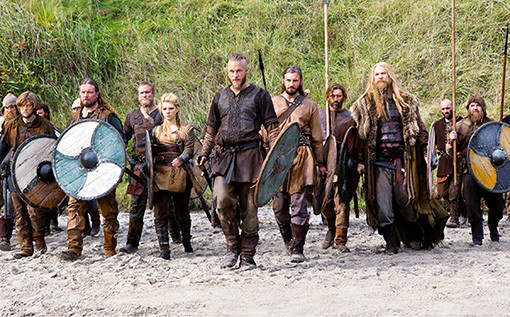
Iskreno mene fasciniraju na početku ove borbe 20 na 20 i 30 na 30.....a ne odmah milion na milon. Serija izgleda puno realnije (ne govorim o historijskim činjenicama već o scenama borbe i nekim odnosima) od većine serija ovog žanra. Takođe sviđa mi se što nije razvučena kao sapunice. Ne mora se prikazati kada se svako popiša i posere.
Sve u svemu meni extra serija.
Pa kada razmislimo realnije vecina borbi u srednjem vjeku je bila takva, brod-dva vikinga protiv lokalnog lorda sa njegovim huskarlima. Ili lord sa 10ak viteza i 50ak pesaka protiv komsije lorda sa isto takvom ekipom.
Zato je bilo i tesko odbraniti se od Vikinga, po celoj obali moras drzat ljude a oni ako vide vecu snagu nego sto mogu tuci samo odveslaju dalje.
I u pravu si bas je kul sto prikazuju takve borbe.
Ili ako nadju gradic za dobar plen odruzi se vise brodova i odradi to za par sati i kidne sa plenom pre nego se ovi osveste.
A sto se tice 13-og ratnika, film (i kniga pre njega) je inspirisana putopisom Ahmeda Ibn Fadlana koji je stvarno proputovao prilicno za ono vreme i imao je kontakte sa Russ Vikinzima
http://en.wikipedia.org/wiki/Ahmad_ibn_Fadlan
On je opisao i vikingski pogreb i razliku u verovanju monoteistickih Arapa i politeistickih Vikinga.
One of the Rūsiyyah stood beside me and I heard him speaking to my interpreter. I quizzed him about what he had said, and he replied, “He said, ‘You Arabs are a foolish lot!’” So I said, “Why is that?” and he replied, “Because you purposely take those who are dearest to you and whom you hold in highest esteem and throw them under the earth, where they are eaten by the earth, by vermin and by worms, whereas we burn them in the fire there and then, so that they enter Paradise immediately.”
I have seen the Rus as they came on their merchant journeys and encamped by the Itil. I have never seen more perfect physical specimens, tall as date palms, blond and ruddy; they wear neither tunics nor kaftans, but the men wear a garment which covers one side of the body and leaves a hand free. Each man has an axe, a sword, and a knife, and keeps each by him at all times. Each woman wears on either breast a box of iron, silver, copper, or gold; the value of the box indicates the wealth of the husband. Each box has a ring from which depends a knife. The women wear neck-rings of gold and silver. Their most prized ornaments are green glass beads. They string them as necklaces for their women.
Ibn Fadlan, on the Rus merchants at Itil, 922.


 )
)