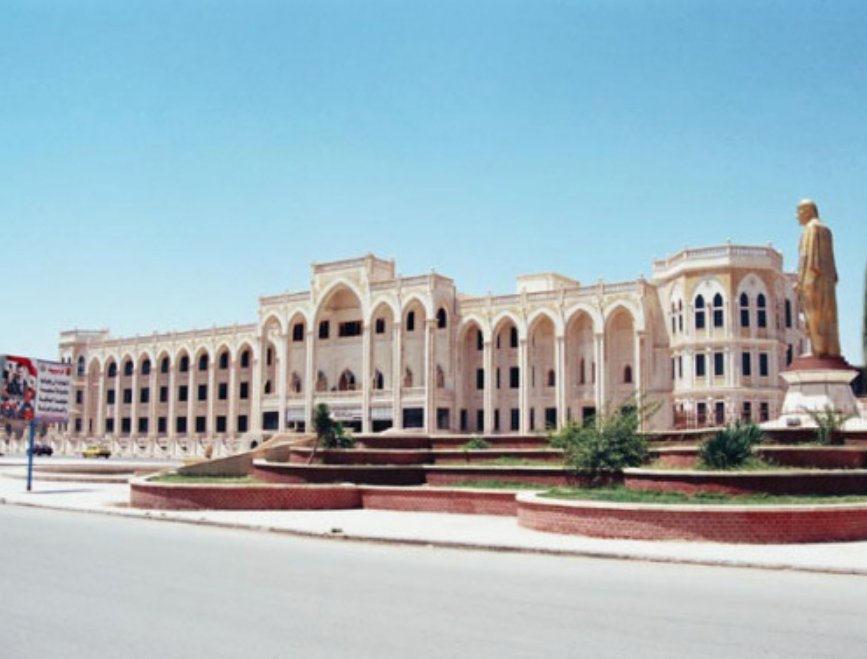
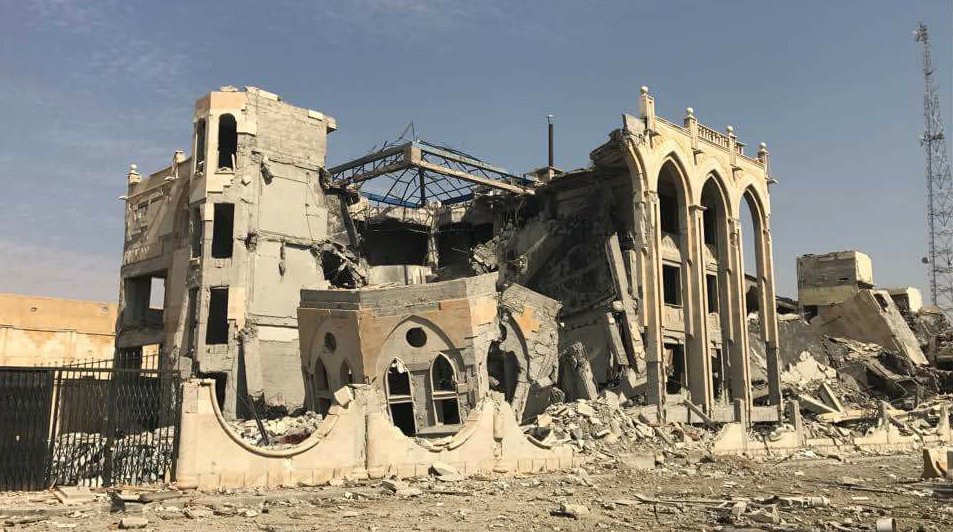
Ko će i kako obnoviti Raku, pitanje je na koje mnogi traže odgovor. Na grad je u periodu jun-oktobar palo oko 20 hiljada bombi, na desetine hiljada stanovnika žive u kampovima severno od grada, u uslovima koje Save the Children opisuje kao "jadne i bedne".
Aron Lund piše da bi novac za obnovu grada mogao stići iz Saudijske Arabije i UAE, ali i da je neka vrsta saradnje Kurda i Damaska naprosto neminovna, što donekle potvrđuje i portparol SDF-a.
With Turkey an implacable enemy, and northern Iraq an unreliable ally at best and another enemy at worst (but mostly just a weird mess), and the United States unwilling to put both feet down and nation-build, Damascus represents the Syrian Kurds’ only window on the world. Al-Assad holds the keys to the rest of Syria’s borders, airports, roads, and infrastructure, to accessing the state bureaucracy and the Syrian economy, to public sector services and salaries, and to a significant portion of UN aid.
The SDF leaders might not like it, but they know it, and they seem to have decided that it would be better to lay out their case while they still have the US Air Force at their back.
“We will negotiate in the future with the Syrian regime,” said the SDF spokesman, Perwar Mohammed Ali. “If they attack us, of course we have a right of self-defence, but we are ready for talks and negotiations with everybody.”
https://www.irinnews.org/analysis/2017/ ... uild-raqqa
A kada je reč o novcu, Robert Fisk predviđa da će upravo saudijska sredstva biti ključna za obnovu čitave Sirije.
Yet the king was, according to Russian officials in the Middle East, asked to participate in the rebuilding of Syria when its war finally peters out. Quite a role for King Salman if Assad – as all believe he will – remains the president (or in some similar role) in Syria. But of course, it would be Russia who does the rebuilding, Saudi Arabia who paid for it. So the two vast oil nations now seem to be set on a course of mutual collaboration.
http://www.independent.co.uk/voices/put ... 08461.html