#776 Re: Twin Peaks
Posted: 05/09/2017 07:52
malo vas preletih......sve ste mi ispojlali 
valjda večeras stignem pogledati
valjda večeras stignem pogledati
de ti još jednom pogledajBloo wrote:ja još uvijek dumam
sutra dok se slegne sveshmizlica wrote:de ti još jednom pogledajBloo wrote:ja još uvijek dumam
zomri wrote:Lynch be like
Noćas se moje čelo žari
Noćas se moje vjeđe pote[/i][/b]
U zomrija večeras zapaljenje moždane ovojnice
 I hvala na kompletnom putovanju, ali i na načinu na koji ste nam totalno izvukli tlo pod nogama
dale cooper wrote:Dobra je ona izreka da je jutro pametnije od večeri. I mogu samo da kažem svaka vam čast Davide i Mark, you mad
sons of bitches.
na kraju. I imam formiranu neku teoriju o onome što se desilo u zadnje dvije epizode, ali i jedva čekam da čujem vaše.


zomri wrote:Ja sam svoje mišljenje plombirao, čujemo se za 25 godina
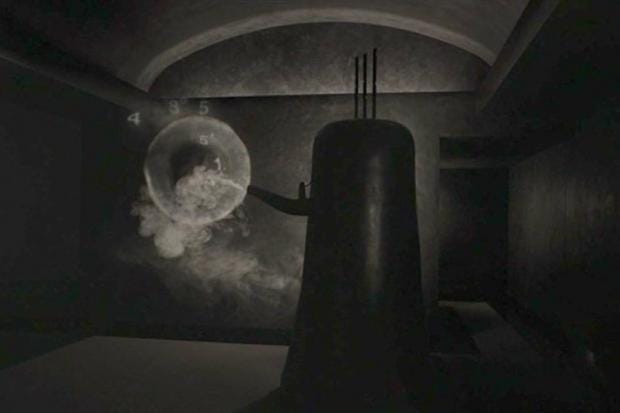 Dale Cooper i njegov dvojnik nikada nisu napustili čekaonicu crne kolibe. Kompletna treća sezona do 18 epizode je njegova unutarnja borba u okviru sna da savlada odnosno ujedini svoje dvije strane ličnosti i stvori balans. Svi likovi koji populišu svijet treće sezone su na neki način ekstenzija njegove unutarnje borbe i različitih aspekata njegove ličnosti. Tako se vrlo lako mogu objasniti svi oni smiješni i apsurdni, ali i mračni dijelovi treće sezone, kao i one čudne stvari sa vremenom i zbrkanom narativnom strukturom. Mislim da to postaje jasno i samom Cooperu u 17 epizodi poslije onog pogleda sa Naido/Diane nakon čega ide onaj overlay njegovog hipnotiziranog lica preko čitavog ekrana i scene oproštaja koje slijede. I po načinu na koji su se svi njegovi prijatelji (i neprijatelji) pukom srećom našli na istom mjestu u isto vrijeme daje naslutiti da se radi o snu. Nakon što je pobijedio i ujedinio "his shadow self" na red dolazi druga stvar, odnosno najvažnija stvar za agenta Coopera zbog koje se i našao u svemu ovome. Sudbina Laure Palmer. Nakon što odlazi sa Mikeom do Jeffriesa (koji očigledno ima moć transporta kroz vrijeme) vraća se u sudbonosnu noć ubistva Laure Palmer koje je pokrenulo ovo kompletno Cooperovo putovanje. Kraj se može shvatiti na više načina. Ja ću nabrojati dva. Prva mogućnost, Dale je omanuo i nije uspio da promijeni ishod, što ukazuje i ono njegovo zbunjeno pitanje "what year is this" kao da je pogriješio u kalkulaciji. Ne shvatajući možda da koliko god Siguran sam da ima gomila rupa, i da ću vremenom
 Bloo wrote:Ok, nakon pretrpljenog šoka i nevjerice, šta mislite o ovim teorijama:
1. Sve što smo gledali je zapravo san, odnosno snovi likova (Lynch, Audrey..etc.) koji kulminiraju prema jednom snu - snu Dalea Coopera koji je izmišljeni super prpošni agent u snu Richarda nakog debilnog
2. Sve je san Laure Palmer, odnosno ne toliko san koliko disocijativni poremećaj uslijed zlostavljanja - zamišlja da je umrla i dolazi zgodni agent da je spasi od njene majke i oca kojeg je možda ona ubila i sad se nalazi u witness protection i apsolutno se ne sjeća ko je dok je Dale ne pita koja je godina i sve joj se vrati
3. Lynch being evil i znajući da svi umiremo za nekim nastavkom u stilu prve dvije sezone, napravio je od njih pinatu koju udara tokom čitave 3 sezone i ubija našu želju da se nastavi dreamy sequence "originalnog" TP-a (tu je seks, psovanje, nema likova) i ne daje nam resolution, već samo vrisak Laure Palmer da se ništa u životu nema ending ( a komoli happy ending) i da ga mi lagano suck it up i neki general message da zlo uvijek pobjeđuje ali da će uvijek postojati neki Dale Cooper da se bori, pa makar slomljen i prazan i da ne trebamo da živimo u prošlosti, jer pokušaj mjenjanja nečega što se desilo u prošlosti neće rezultirati dobrim (Dale nije trebao pokušati da spasi Palmer u jednoj od realnosti)
4. supernatural moment - ovdje ja izvlačim 50 elaborate mapa i linijar i crveni flomaster
Sve što vidimo je stvarno - lodges, Judy - superevil majka sveg zla koja živi u Sarah Palmer, Bob, tulpas and doppelgangers,DAVID JEBENI ČAJNIK BOWIE....
Jedino što bi objasnilo zadnje 3 epizode su alternativne realnosti - sa jednom fokalnom tačkom spasiti/ubiti Lauru Palmer. (S tim da bi sezone 1,2,3 i FWWM mogle biti 4 realnosti, ali boli me glava od razmišljanja o tome).
S obzirom da je Laura poslana od strane White Lodega (koji više i ne liči na White Lodge) da se bori protiv majke/Judy/BOB-a, te da Judy pokušava sve što je u njenoj moći da je ubije (ne samo fizički, već da joj slomi duh), poduzima slijedeće korake koji se manifestiraju u "našoj" stvarnosti (ne nabrajam hronološki):
- šalje Dalea u waiting room
- pusti BOB-a da obuzme Lelanda koji sve to nevoljko radi (dok umire, nakon što je BOB izašao iz njega,m ukazuju mu se anđeli - White Lodge maybe?)
- otima Lauru Palmer (vrisak) dok je Dale vodi iz šume da prevenira njenu smrt tako kreirajući split u realnostima (u jednoj Laura Palmer NIJE nađena mrtva na plaži) i briše joj sjećanje i šalje je alternativnu realnost gdje je ona Carrie Paige (hint na nedostajuću stranicu dnevnika Laure Palmer?) i gdje Judy vlada (restoran se zove Judy's, a imaju hintovi na stvari iz naše stvarne stvarnosti - naziv kompanije za transport i žena koja otvara vrata Daleu i Carrie je fakat vlasnica te kuće u stvarnom životu)
- Cooper uradi nešto pogrešno jer se sve završi sa vriskom (ponavljajući motiv) Laure/Carrie (možda je opet mrtva na plaži) i sve se opet nastavlja (znak za beskonačno koji je ČAJNIK pokazao i dopsutio Daleu da uđe u prošlost i spasi Lauru, indicira da se mučenje Laure Palmer i Dalea Coopera neće nikada završiti, da će u beskonačnim realnostima on pokušavati da je spasi i možda postajati sve prazniji i prazniji jer očito svaki encounter sa Judy/waiting room/Black and White lodge ga crpi) i vrijeme 2:53 koje se ponavlja to isto hintuje
- Sarah Palmer jer od početka Judy odnosno možda ona djevočica kojoj je buba ušla u usta
PAR komentara:
Dale Cooper svjesno pravi još jednu verziju sebe (tulpa možda) i šalje JAney-E i sinu da ne bi bili sami - ultimate sacrifice
Onaj mali sa zelenom rukavicom - ljudi se puno žale kako je mogao onako karakterno nerazvijen lik ubačen u priču tek onako da sjebe BOB-a (zapravo ne znamo jel sjeban, znamo da je otišao) - malac sa rukavicom, Andy i Lucy su primjer troje ljudi koji imaju imperfect courage (Andy i Naido, Lucy i bad Cooper, malac i BOB), te stoga uspiju u svojoj namjeri. Malac je tu da ispuni svoju sudbinu i to je uradio bez straha.
Ne kontam zašto Dale onako čudno gleda onu naido/čudakinju bez očiju koja na kraju postane Diane/waiting room.
Audrey ili sve ono tripuje u komi ili je u komi iz koje joj Judy ne da izađe i kad napokon postane svjesna, postane svjesna da je u komi (sve ono bjelilo bez ičega oko nje).
The most important line of the two-part finale that everybody seems to just be conveniently ignoring.
The world of Twin Peaks is a dream world. It isn't real and never was.
A realisation hits Cooper when he stares upon Naido's face. He becomes emotional and realises that it's all coming to an end. He glances at the stopped clock and realises his time is up. The adventure is over.
Episode 17 was the ultimate fairytale ending. Good triumphs over evil in a ridiculously corny, abrupt, Deus Ex Machina fashion, everybody pats themselves on the back, and the hero gets his girl before travelling back in time and retroactively saving Laura Palmer from ever being murdered in the first place. It's ridiculous. It's absurd. It's downright impossible. But anything can happen in a dream.
"I hope I see all of you again. Every one of you."
There's a finality to this statement. It isn't an invitation to another series of adventures (i.e. Season 4), it's a farewell. Cooper is leaving Twin Peaks for good. All these colorful characters he's gotten to know so well - he holds out hope that someday, he will return and see them again.
But deep down he knows that once you wake up from a dream, you can never go back.
And so he says farewell to the cast.
The "point of no return" that Cooper and Diane cross is an entrance to the real world; an allegory for waking up. When you wake up from a dream, there's no going back - it exists only as a memory, lost to time. You cross a point from which you cannot ever return. Diane is hesitant, fearful of facing reality. "Once we cross, it could all be different", Cooper says, and indeed it is, as Richard and Linda find out. They don't get the fairytale romantic ending like in the dream - instead, after sharing an awkward night together, they confront the reality that there is actually very little between them.
Richard wasn't a combination of Good Coop and Evil Coop; it was the other way around. Good Coop and Evil Coop are just the two halves of his own personality made manifest. In reality, he falls somewhere in-between, like most people. He's just an average guy.
Episode 18 was Lost Highway, both stylistically and in terms of the story it was telling. Cooper is to Richard what Pete is to Fred - he's an invented alter-ego. Just as Pete was everything Fred wanted to be, Cooper is Richard's ideal self. And just like Fred must do at the end of Lost Highway, Richard has to confront the reality of his situation in Episode 18. He is not Cooper.
The name of the episode itself - "What Is Your Name". It's more than just a quote from the episode, it cuts deeper. It's the question Richard asks himself, and it's also the exact same question the Mystery Man asks Fred at the end of Lost Highway, the question that brought Fred to the realisation that he is not Pete.
(It's also really kind of interesting to note the sudden change in hair color with Diane - for most of Season 3, she has white hair, but then suddenly in the finale it's red. Similarly, in Lost Highway, Fred's wife Renee has red hair in the real world, and her imagined alter-ego Alice has bright, bleached blonde hair. Felt like a callback to Lost Highway.)
Richard, like the viewers, was so in love with the world of Twin Peaks that he struggles to let it go. When he finally wakes up, tries desperately to cling onto it. He tries to convince himself that Carrie Page, the waitress who looks an awful lot like Laura Palmer, might actually be her. But after taking her to the Palmer household in Twin Peaks, the illusion is shattered. Instead of Sarah Palmer answering the door, it's a woman named Mrs. Tremond (portrayed by the klix owner of the house, another indication of this being reality). The previous owner was a Chalfont. There is no mention of a Sarah Palmer. Cue Richard looking dejected and depressed outside the Palmer residence, finally coming to his realisation. This is not the same world he left, and he is not, and never will be, Special Agent Dale Cooper.
The finale of Twin Peaks was a criticism of itself; an attack on TV escapism. Lynch has crafted this perfect world full of mystery and intrigue, only to tear it down and force his viewers to confront reality. There is no big adventure in the real world, no epic battle between the simplified forces of good and evil.
It was also a heartfelt send-off to the universe of Twin Peaks. It's over. Finished. Like all things, it had to come to an end eventually. Richard's awakening marks the end, and as he finds out, it's hard to let go sometimes. But that's the message Lynch is trying to get across: after 25 years, it's finally time to let Twin Peaks go, to say goodbye for good.
Which leaves the question that will be discussed for years to come: what did Laura whisper in Cooper's ear?
She told him the truth: he lives inside a dream.

Čajnik je bezvremen.Bloo wrote:ako nisi dao objašnjenje za čajnik, neću ni da čitam

Moje objašnjenje je da ju je Judy zatočila (kad ju je bad Coop silovao u komi) u taj imaginarni svijet gdje je udata za onog malog dosadnjakovica.dale cooper wrote:Čajnik je bezvremen.Bloo wrote:ako nisi dao objašnjenje za čajnik, neću ni da čitam
Eh da, ono što svi zaboravljaju (a ko ih može kriviti uz sve što se izdešavalo) je Audrey. Mislim da je njena priča odvojena od ostatka sa
razlogom. Ona je kao Dale i Laura. Zatočena u svome snu/kolibi. Ali možda se jedino ona povratila u stvarnost.
Kakva je ta stvarnost, to je sasvim drugo pitanje.
maybe
dale cooper wrote:
Ovaj frajer na redditu je ovo dvoje boldano ujedinio u jednu teoriju:
The most important line of the two-part finale that everybody seems to just be conveniently ignoring.
The world of Twin Peaks is a dream world. It isn't real and never was.
A realisation hits Cooper when he stares upon Naido's face. He becomes emotional and realises that it's all coming to an end. He glances at the stopped clock and realises his time is up. The adventure is over.
Episode 17 was the ultimate fairytale ending. Good triumphs over evil in a ridiculously corny, abrupt, Deus Ex Machina fashion, everybody pats themselves on the back, and the hero gets his girl before travelling back in time and retroactively saving Laura Palmer from ever being murdered in the first place. It's ridiculous. It's absurd. It's downright impossible. But anything can happen in a dream.
"I hope I see all of you again. Every one of you."
There's a finality to this statement. It isn't an invitation to another series of adventures (i.e. Season 4), it's a farewell. Cooper is leaving Twin Peaks for good. All these colorful characters he's gotten to know so well - he holds out hope that someday, he will return and see them again.
But deep down he knows that once you wake up from a dream, you can never go back.
And so he says farewell to the cast.
The "point of no return" that Cooper and Diane cross is an entrance to the real world; an allegory for waking up. When you wake up from a dream, there's no going back - it exists only as a memory, lost to time. You cross a point from which you cannot ever return. Diane is hesitant, fearful of facing reality. "Once we cross, it could all be different", Cooper says, and indeed it is, as Richard and Linda find out. They don't get the fairytale romantic ending like in the dream - instead, after sharing an awkward night together, they confront the reality that there is actually very little between them.
Richard wasn't a combination of Good Coop and Evil Coop; it was the other way around. Good Coop and Evil Coop are just the two halves of his own personality made manifest. In reality, he falls somewhere in-between, like most people. He's just an average guy.
Episode 18 was Lost Highway, both stylistically and in terms of the story it was telling. Cooper is to Richard what Pete is to Fred - he's an invented alter-ego. Just as Pete was everything Fred wanted to be, Cooper is Richard's ideal self. And just like Fred must do at the end of Lost Highway, Richard has to confront the reality of his situation in Episode 18. He is not Cooper.
The name of the episode itself - "What Is Your Name". It's more than just a quote from the episode, it cuts deeper. It's the question Richard asks himself, and it's also the exact same question the Mystery Man asks Fred at the end of Lost Highway, the question that brought Fred to the realisation that he is not Pete.
(It's also really kind of interesting to note the sudden change in hair color with Diane - for most of Season 3, she has white hair, but then suddenly in the finale it's red. Similarly, in Lost Highway, Fred's wife Renee has red hair in the real world, and her imagined alter-ego Alice has bright, bleached blonde hair. Felt like a callback to Lost Highway.)
Richard, like the viewers, was so in love with the world of Twin Peaks that he struggles to let it go. When he finally wakes up, tries desperately to cling onto it. He tries to convince himself that Carrie Page, the waitress who looks an awful lot like Laura Palmer, might actually be her. But after taking her to the Palmer household in Twin Peaks, the illusion is shattered. Instead of Sarah Palmer answering the door, it's a woman named Mrs. Tremond (portrayed by the klix owner of the house, another indication of this being reality). The previous owner was a Chalfont. There is no mention of a Sarah Palmer. Cue Richard looking dejected and depressed outside the Palmer residence, finally coming to his realisation. This is not the same world he left, and he is not, and never will be, Special Agent Dale Cooper.
The finale of Twin Peaks was a criticism of itself; an attack on TV escapism. Lynch has crafted this perfect world full of mystery and intrigue, only to tear it down and force his viewers to confront reality. There is no big adventure in the real world, no epic battle between the simplified forces of good and evil.
It was also a heartfelt send-off to the universe of Twin Peaks. It's over. Finished. Like all things, it had to come to an end eventually. Richard's awakening marks the end, and as he finds out, it's hard to let go sometimes. But that's the message Lynch is trying to get across: after 25 years, it's finally time to let Twin Peaks go, to say goodbye for good.
Which leaves the question that will be discussed for years to come: what did Laura whisper in Cooper's ear?
She told him the truth: he lives inside a dream.


Ne bi bilo prvi put da se može izvući takva interpretacija nekog Lynchovog rada.Bloo wrote:ali it's all a dream je jeftini izlaaz!