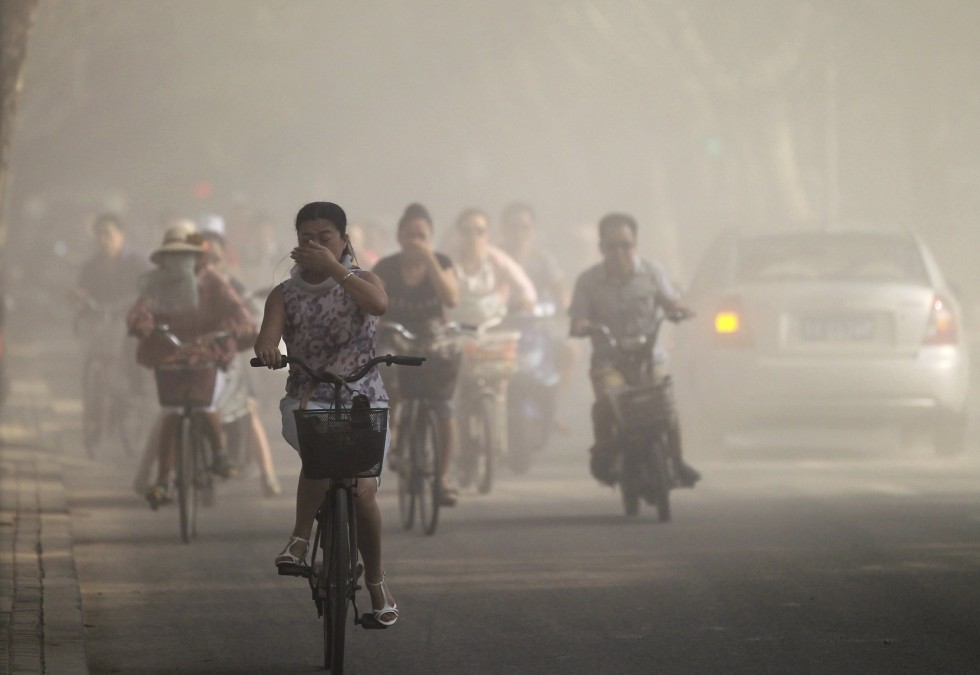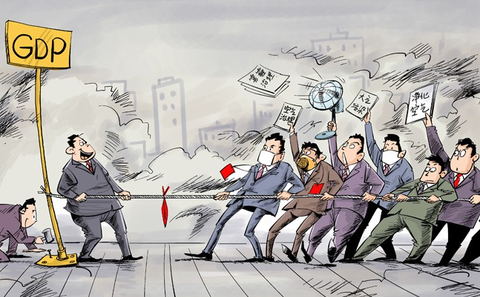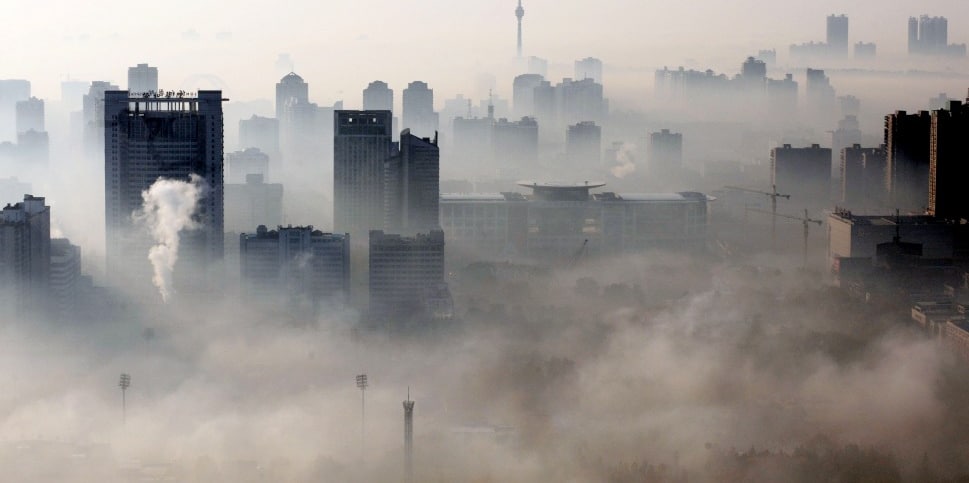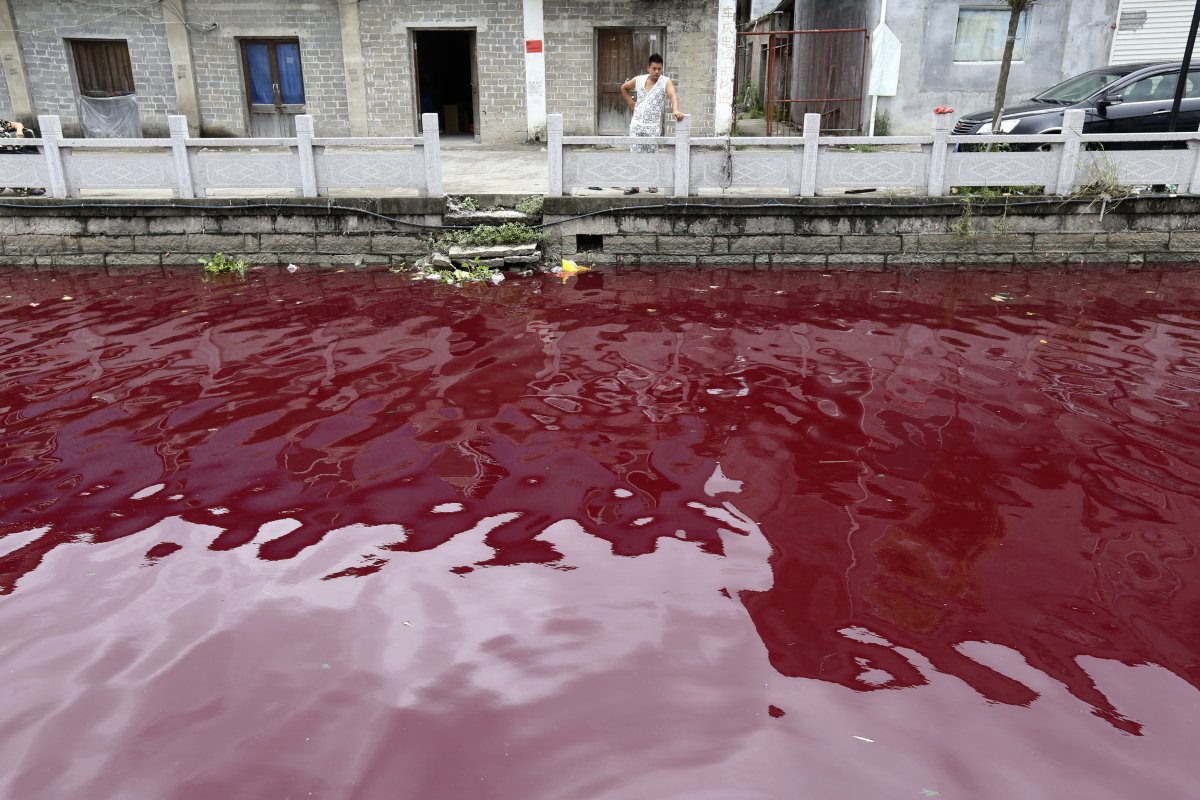


U poslednje tri decenije u Kini, u vreme porasta ekonomije i industrijalizacije, broj smrtnih slučajeva od raka pluća porastao je za 465 odsto.



US: 492
China: 152
Russia: 111
Germany: 85
Brazil: 65
India: 56
UK: 47
 LINK
LINK 
1. China: 2,210
2. US: 1,575
3. Germany: 1,493
4. UK: 813
5. Japan: 697
LINK 

Avetinho wrote:E jebote vaki zivot.


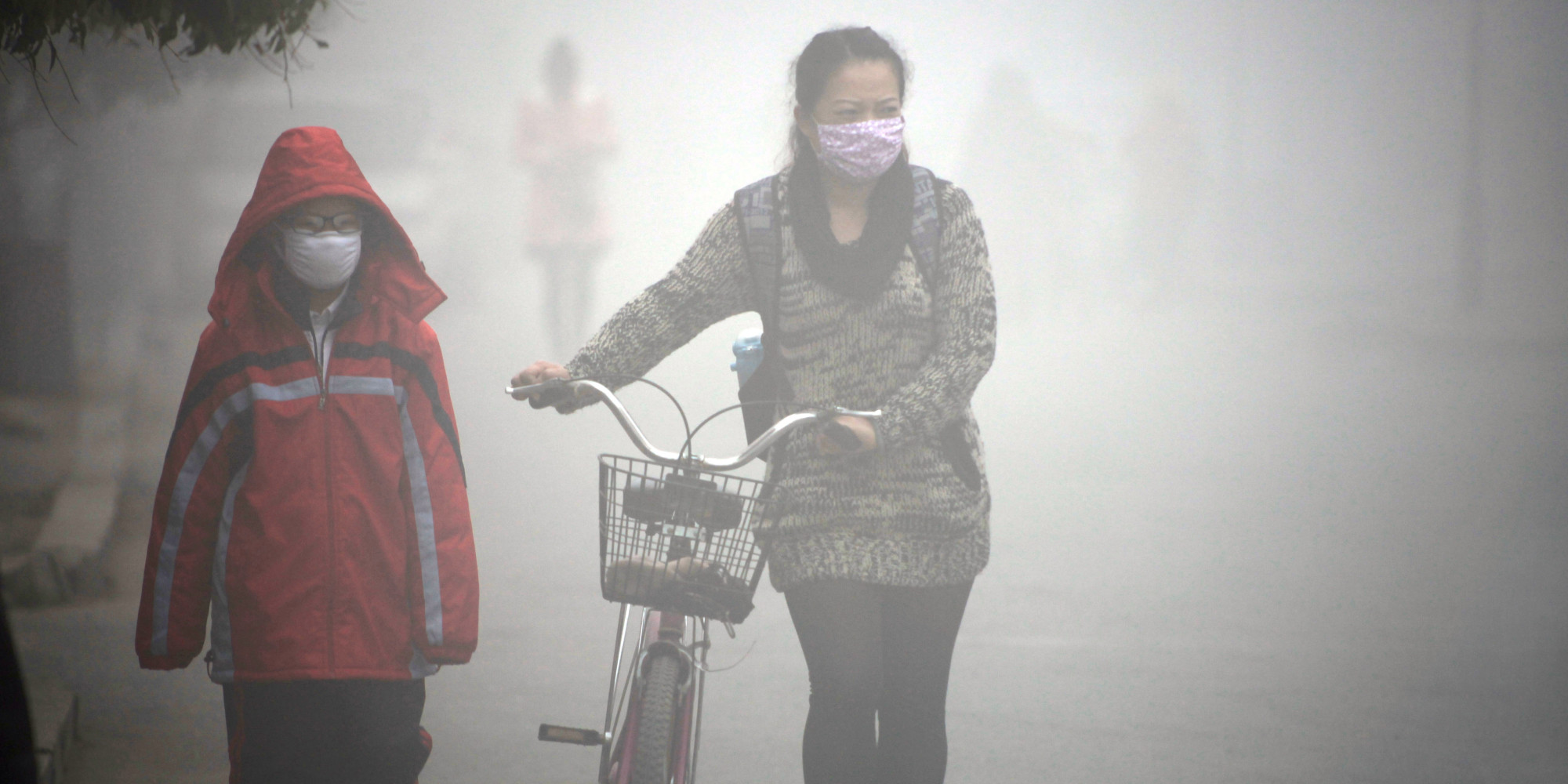
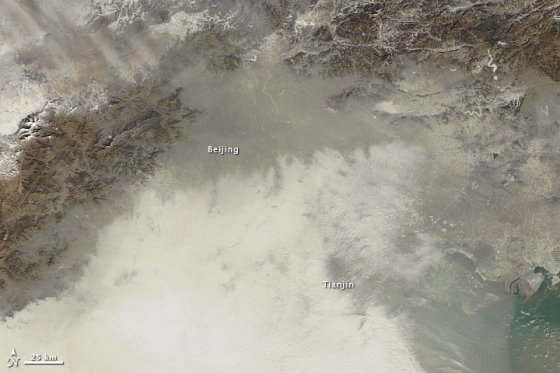
Gdje ono nose gas maske i bolnicke maske kad izadju na ulicu? Ima smoga svugdje, ali Kina je ubjedljivi lider na tabeli.mirsek wrote:Fakat jebo ovakav zivot.Avetinho wrote:E jebote vaki zivot.
Besmisleni pokusaji ruganja Kini.





- China: 10%
- India: 7.3%
- Brazil: 5.7%
- Russia: 3.7%
- France: 2.7%
- US: 1.7%
- Germany: 1.3%
- UK: 1.3%
- Japan: 0.8%
LINK 

Largest GDP PPP, 2014 ($ trillion)
China: 17.6
US: 17.4
India: 7.2
Japan: 4.7
Germany: 3.6
Russia: 3.5
Brazil: 3
France: 2.5
Indonesia: 2.5
LINK 

Sta kazes, twitter javlja?Challenger__ wrote:- GDP po zemljama (PPP):
Largest GDP PPP, 2014 ($ trillion)
China: 17.6
US: 17.4
India: 7.2
Japan: 4.7
Germany: 3.6
Russia: 3.5
Brazil: 3
France: 2.5
Indonesia: 2.5
Ima jos o ovom falsifikatu, koga zanima:HONG KONG (MarketWatch) wrote: Chinese leaders have been quick to put on a brave face after the ignominy of missing their economic-growth targets for first time since 1998. But while Premier Li Keqiang was telling global leaders in Davos not to worry about the economy, back at home the head of the country’s statistics bureau was rejecting claims China was already the world’s biggest economy.
Official numbers may have underestimated China’s price levels and overestimated gross domestic product, National Bureau of Statistics chief Ma Jiantang said. This, he added, meant calculations the International Monetary Fund made ranking China’s economy ahead of that of the U.S. on a purchasing-power-parity basis were wrong.
But if the IMF got China’s gross domestic product wrong due to understated prices, what else might be in error?
It is well known that the ruling Communist Party lays great store in its track record of achieving GDP growth rates that the rest of the world can only dream of. This economic success helps underpin the legitimacy of China’s one-party state, now in its 65th year.
These comments by Ma will fuel suspicions that a sizeable part of China’s growth miracle — particularly since 2008 and the nation’s massive stimulus — is simply counting inflation. Put another way, we are not measuring growth but rather the fact that things people were doing before now cost a lot more.
Purchasing power parity (PPP) appears to be an elegant concept that measures GDP adjusted for the power money has in terms of a country’s local prices. The IMF calculates the Chinese economy is now worth $17.6 trillion, slightly higher than the $17.4 trillion it estimates for the U.S. Because money goes further in China, the IMF revised upwards the GDP figure from $10.3 trillion.
But the idea that money still goes further in China looks highly questionable. In fact, not only are prices understated, as Ma suggests, but in many cases Chinese prices appear higher than those in the rest of the world. This conclusion comes not just from anecdotal experience, but from the sheer numbers of Chinese consumers who now choose to shop overseas.
http://www.avaz.ba/clanak/174604/saraje ... -naseljimaSve je gore
Stanovnika Pofalića Ekrema Husića zatekli smo na klupi ispred ulaza u zgradu. Kako nam je kazao, neugodni mirisi nisu strani mještanima ovog sarajevskog naselja, jer se svako malo pojavljuje isti problem.
- Ali još nikada nije bilo kao ovih dana. Svakim danom je gore jer su i temperature više. Prije dva dana sam zvao preduzeće ViK. Međutim, sve se na tome završilo - rekao je Husić.


Sto bi celo reko -- false flag, maske su pale.walter kurtz wrote:http://www.jutarnji.hr/ratna-zvona-na-j ... -/1357307/
RATNA ZVONA NA JUGOISTOKU AZIJE Retorika sve zapaljivija, Kinezi su bijesni: 'Amerikanci žele izazvati kaos!'

Jos par izvora za istu vijest:China bans Ramadan fasting in mainly Muslim region
Civil servants, students and teachers prevented from fasting and restaurants ordered to remain open in Xinjiang region.
Uighur rights groups say China's restrictions on Islam in Xinjiang have added to violent ethnic tensions in the region
Chinese Uighurs defy Ramadan ban
China has banned civil servants, students and teachers in its mainly Muslim Xinjiang region from fasting during Ramadan and ordered restaurants to stay open.
Most Muslims are required to fast from dawn to dusk during the holy month, which began on Thursday, but China's ruling Communist party is officially atheist and for years has restricted the practice in Xinjiang, home to the mostly Muslim Uighur minority.
"Food service workplaces will operate normal hours during Ramadan," said a notice posted last week on the website of the state Food and Drug Administration in Xinjiang's Jinghe county.
Officials in the region's Bole county were told: "During Ramadan do not engage in fasting, vigils or other religious activities," according to a local government website report of a meeting this week.
Each year, the authorities' attempt to ban fasting among Uighur Muslims in Xinjiang receives widespread criticism from rights groups.
China imposes restrictions on Muslim Uighurs
Uighur rights groups say China's restrictions on Islam in Xinjiang have added to ethnic tensions in the region, where clashes have killed hundreds in recent years.
China says it faces a "terrorist threat" in Xinjiang, with officials blaming "religious extremism" for the growing violence.
"China's goal in prohibiting fasting is to forcibly move Uighurs away from their Muslim culture during Ramadan," said Dilxat Rexit, a spokesman for the exiled World Uyghur Congress.
"Policies that prohibit religious fasting is a provocation and will only lead to instability and conflict."
As in previous years, school children were included in directives limiting Ramadan fasting and other religious observances.
The education bureau of Tarbaghatay city, known as Tacheng in Chinese, this month ordered schools to communicate to students that "during Ramadan, ethnic minority students do not fast, do not enter mosques ... and do not attend religious activities".
RELATED FEATURE - China to neighbours: Send us your Uighurs
Similar orders were posted on the websites of other Xinjiang education bureaus and schools.
Officials in the region's Qiemo county this week met local religious leaders to inform them there would be increased inspections during Ramadan in order to "maintain social stability", the county's official website said.
Ahead of the holy month, one village in Yili, near the border with Kazakhstan, said mosques must check the identification cards of anyone who comes to pray during Ramadan, according to a notice on the government's website.
The Bole county government said that Mehmet Talip, a 90-year-old Uighur Communist Party member, had promised to avoid fasting and vowed to "not enter a mosque in order to consciously resist religious and superstitious ideas".
Source: AFP