A evo i analize gore spomenutih događaja. Analizu je objavio GMF (German Marshall Fund), a ja je smatram primjerenijom od tvoje.
Ne radi se ni o kakvoj spontanoj reakciji naroda na Tursku politiku u Siriji, nego o planiranom prenošenju sirijskog rata u Tursku zato što je PKK procijenio da sada ima historijsku priliku da zauzme teritoriju po uzoru na YPG. Emocije naroda prema Kobaniju zloupotrebljene, ali pripreme za pobunu su izvršene ranije.
Navodi iz GMF analize:
PKK se ohrabrio dobicima koje su Kurdi ostvarili u Siriji, prekinuli su dvoipogodišnje primirje i nastoje iskoristiti situaciju.
The Kurdistan Workers Party (PKK) has been emboldened, on the one hand, by the gains of its sister party, the Democratic Union Party (PYD), in the Kurdish part of Syria and, on the other, Turkey’s deteriorating geopolitical position in Syria, particularly after Russia’s heavy military build-up and the Turkish–Russian feud over Turkey’s shooting down of the Russian jet. The PKK has become less compromising and more assertive. After terminating its two-and-half year long ceasefire with Turkey through the execution of two police officers on July 22, 2015, the PKK is now intensifying its fight against Turkey.
Ranije su Kurdima, kao referentna tačka za ostvarivanje svojih prava, služile norme Evropske Unije. Međutim, strategija se promijenila nakon dobitka teritorije u Siriji. Od tada PKK pokušava da prenese sirijsku situaciju u Tursku, okupira kvartove i gradove, proglašava samoupravu, itd.
In the late 1990s and early 2000s, the Kurdish movement’s reference point on the advancement of the Kurdish rights in Turkey was the European Union’s norms. The EU’s Copenhagen Criteria, which was agreed upon in 1993 and which focuses on “the stability of institutions guaranteeing democracy, the rule of law, human rights, and respect for and protection of minorities,” was the discursive and political reference point for the Kurds. It was within this framework that the Kurdish movement made reference to the European Charter of Local Self-Government.
But this strategy seems to have changed dramatically. The fact that the EU’s norms essentially advocate for democratic, economic, and political progress and fall short of questioning the national government’s sovereignty, let alone paving the way for separatism, did not go down well with part of the Kurdish Movement, especially the PKK’s leadership. As a result, the context has changed for the PKK.
Kurdish gains in Syria and Iraq are now the PKK’s primary reference point. Both the activities and the rhetoric of the Kurdish movements clearly suggest this. The PKK has tried to replicate the experience of the PYD in the Kurdish part of Turkey by attempting to forcefully occupy some Kurdish neighborhoods, districts, and towns, declaring what it calls “democratic self-governance” and de facto wresting political authority over these areas from the central government.
Motiv PKK: trenutnu situaciju u Siriji vide kao historijske priliku koja se vjerovatno neće ponoviti. Pregovori mogu biti pokrenuti ispočetka.
If the PKK is faced with a trade-off between the advancement of the Kurdish peace process in Turkey or entrenching its gains in Syria, it will choose the latter. It believes that the current situation in Syria provides it with a historical opportunity that may not be repeated. As for the peace process in Turkey, the thinking is there will always be a possibility for pushing the restart button. -
Taktika urbanog ratovanja je donijela konsolidaciju na kurdskoj strani, i civilna i vojna komponenta ima istu retoriku, a PKK vodi glavnu riječ.
This new urban warfare is redrawing the lines within the Kurdish movement and affecting Kurdish society. This atmosphere of violence is increasing consolidation in Kurdish politics. All of its components, both armed and civilian, are adopting the same rhetoric and supporting the same policies. The trouble is that in times of violence, the most radical elements set the tone. Almost exclusively, the PKK has set the stage and now runs the show. This is the political part of the consolidation.
The PKK’s Low-Intensity Warfare: Background, Causes, Regional Dynamics, and Implications


 .
. ), ali sadašnje izjave ne mogu izbrisati sve što su sami Kurdi ranije javno govorili međusobnoj povezanosti.


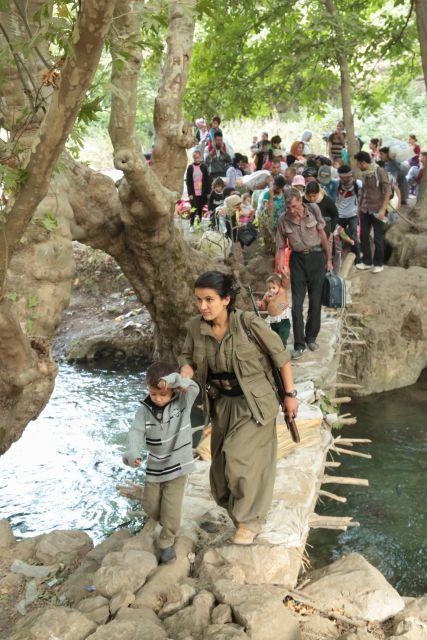

 Turska puca po šavovima, 20 miliona Kurda više ne da na sebe i onda dođe naš Ibrica i priča kako Turska može vojno poraziti Rusiju, kako će nama Erdogan poslati 100 miliona Turaka da nas brane od Srba. Nakon par stranica onda ti ulete i najveći kompleksaši na Balkanu, a moguće i na svijetu, Srbi. Oni zbog petsto godina turskog solarijuma i lizanja guzice Rusima kao što to naši rade Turcima odmah staju u obranu Rusije i njihovih ciljeva. Poplave kuće i brda nose, Mujo i Miloš pomažu jedan drugome i kad se sve smiri ne znaju biti dobri ljudi i dobre komšije prije svega već opet se dijele zbog tobožnje braće sa Istoka. Turci uništili našu kraljevinu u zenitu moći i prodali nas na kraju za gajbu dukata, Rusi naoružavali Bugare da ubijaju Srbe, Crvena Armija silovala i popalila pola Srbije ali eto vidiš braća su braća.