Edin H. wrote:Connaisseur Karlin wrote:Edin H. wrote:
Da, ali vjerovatno ga ne bi kaznili da je uredno sletio, a imao manje od toga, na tu je kartu igrao.
Niko bas ne konta mogao bi se ja skrsiti.
izvini,ali pilot itekako konta prije leta provjeriti sve

suludo je reci da je pilot odlucio nastaviti let jer mu je fakotr rizika bio prenizak

Reci ti meni da li bi da neko kaznio da je sletio kao sto je planirao sa gorivom dovoljnim za deset minuta ili se radi o samokaznjavanju, posto je ujedno i vlasnik kompanije?
Vec je neko napisao da je jednom sletio sa gorivom dovoljnim za 15 minuta.
posotje incidneti koi su pravo vezani za slijetanje aviona sa "minimumom goriva" a, isto tako,let tokom koristenja goriva na rezervi nije dio emrgency procedrue
One of the key factors in flight planning is determining the fuel load. It is also critical to finalize
the fuel quantity required as early as possible because of the inherent delay in the ordering and
appropriation of fuel. Considerations in determining the fuel load include: fuel to destination
including reserves (which vary depending on the type of flight, e.g. overwater), destination
weather and alternates, off-optimum speed or altitude requirements (which may be driven by
marketing or ride conditions), ferrying fuel to destinations where it is cost effective and
mechanical discrepancies of the aircraft. The fuel load will also affect take-off and landing
performance and may influence the payload the aircraft can carry. Information regarding fuel
load is provided in the fuel section of the flight plan illustrated in Figure 2.
11. Total fuel/time/distance from EWR to SJU = 26,662 lbs/3 hrs 28 mins/1453 nm
12. Enroute reserves required for overwater operations = 2401 lb/21 mins (10% of the
flight time)
13. Regular reserves = 3289 lbs/30 min
14. Dispatch addition = 1000 lb/10 min (account for possible en-route chop as
indicated in remarks)
15. Fuel to get to destination alternate (St. Croix (STX)) = 3593 lb/23 min/88 nm
16. Holding fuel = 3119 lb/30 min
17. MEL/CDL fuel (757/767 fuel pump airworthiness directive adjustment) = 1000 lb
18. Take-off fuel = 41,064 lb 19. Taxi from gate to runway at EWR (including anticipated delays) = 800 lb/20 min
20. Total fuel load at release from EWR = 41,864 lb
neggjde je spoembto da su promjenili plan leta u vlro kratkom periodu,hm !
smanjene groriva sa ciljem stednje sa 30 minuta na 15 minuta se plannira sa opcijom da se promjeni ruta ,a ne da se ugorze putnici i posada
psotje nacini da se prijavi od strane pilota ako pilot sumnja,pilot je uvijek in charge
npr. vidi ovo :
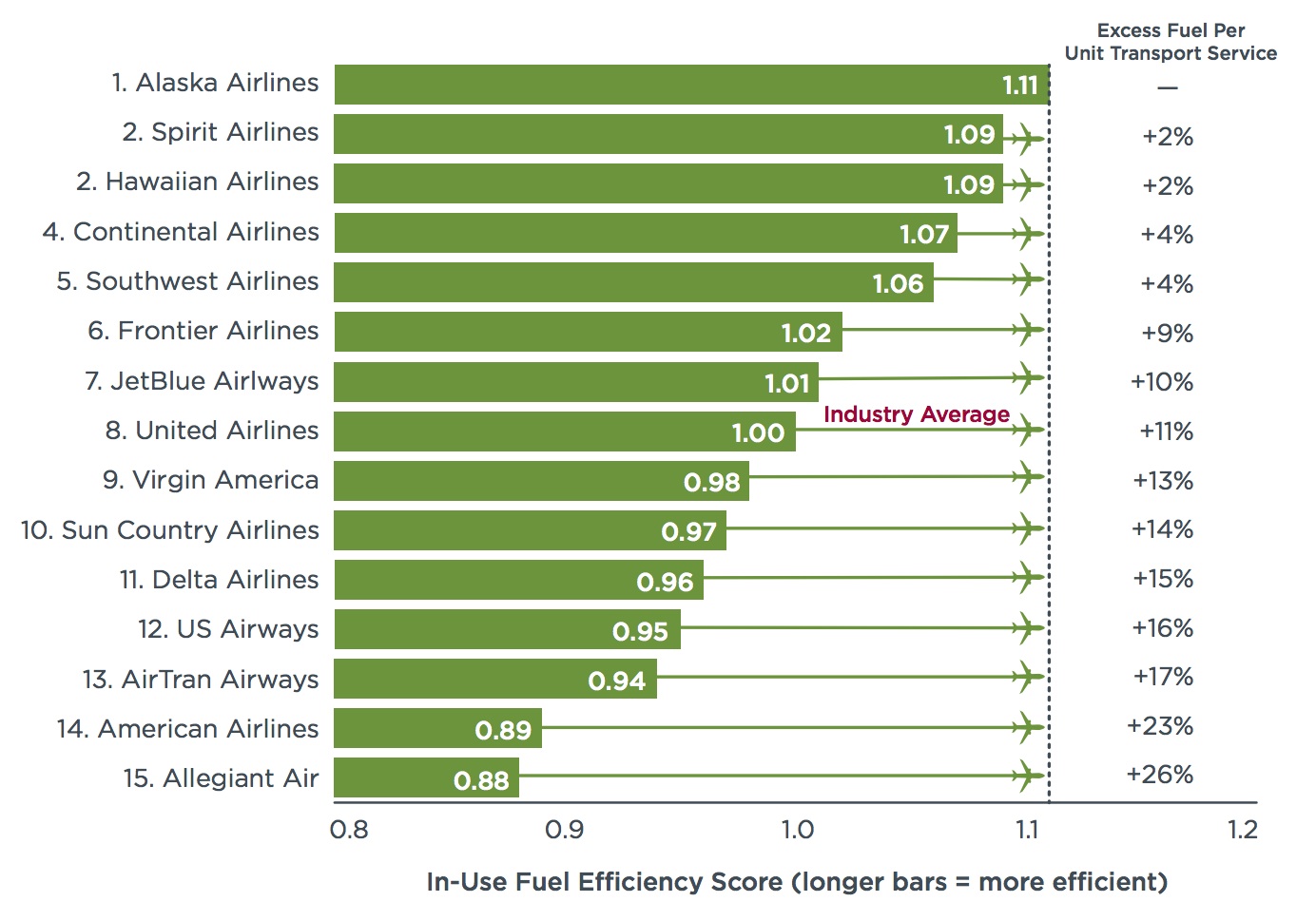
stednja goriva na osnovu ruta ,rasporeda letenja i sl.
pilots are in charge of the flight and can over rule corporate policies on fuel purchases. That is, if your pilots union is a little peeved, they can take corporate fueling requirements as mere guidelines. The pilots can choose to fly a heavy plane in the name of safety even if it costs the company some extra cash
 , a i skuplje, a frajer volio cash (sudeci po gore postavljenom clanku).