Point. wrote: ↑21/06/2022 11:13
TouringBiker wrote: ↑20/06/2022 16:36
Pa ako se cio narod digne da zbaci šaha, šta je nego volja naroda? Kao što su se 1989 digli da zbace komunističku diktaturu u DDR-u, Poljskoj, Mađarskoj, Čehoslovačkoj, Rumuniji, Bugarskoj.
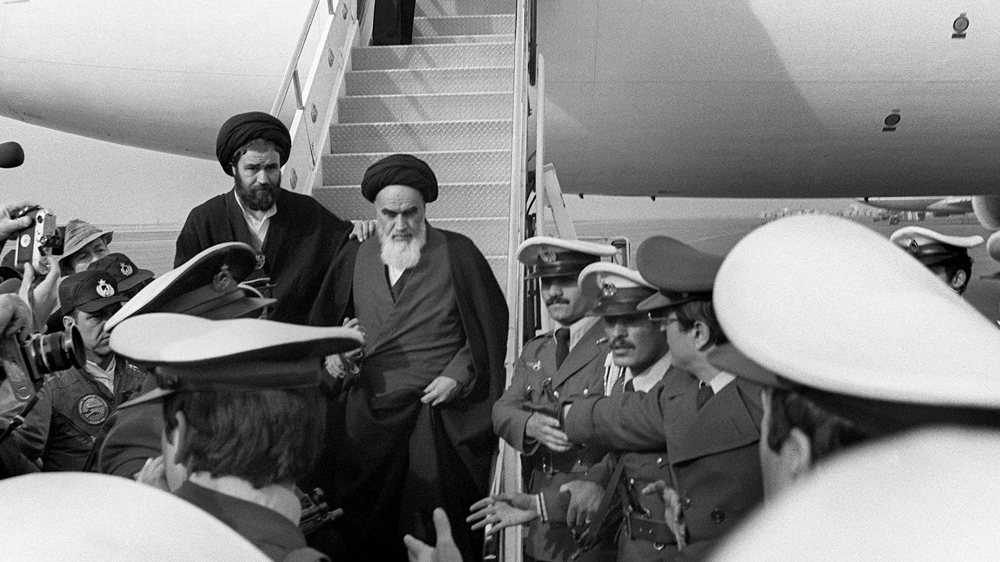
Homeinija su dočekali kao Mesiju, Izbavitelja koji će im skinuti šaha s vrata
Nisu znali bolje. Revolucija je kao žena sjajna, fatalna privlačna.
Šta misliš koliko bi ih sad voljelo da im se mule skinu sa kurca i da žive u društvu gdje nema raznoraznih ograničenja, posebno za žene i da žive u državi koja nije pod stalnim sankcijama?
Jedna mjera za to su i oni koji se opredijele za više ili manje konzervativne kandidate na Iranskim izborima.
Jer (kako kaže i njemačka Friedrich Ebert Fondacija), učešće na tim izborima IMA smisla... Članak se odnosi na lanjske predsjedničke izbora.
https://www.fes.de/en/referat-naher-mit ... en-in-iran
"Significance of the Electoral Process
Iranian presidential elections are significant not as a means of political competition, but rather as a national event with the potential to create social impetus in a variety of ways. The weeks before elections are traditionally periods of intensified socio-political discourse. Election campaigns have often brought controversial topics into the public eye and broken long-standing taboos, especially during live debates on TV. Social media has long been a common medium for debate, and over the past few months the audio platform Clubhouse in particular has gained traction. Reformist candidate Mostafa Tajzadeh, who will most likely be disqualified by the Guardian Council, has used Clubhouse to draw greater attention to contentious issues such as reforming the constitution and limiting the term of office of the Supreme Leader.
Furthermore, the overall role of the Guardian Council is inevitably discussed and criticized around election time. Thus the approach of an election opens up political space to expose systemic injustices and take counteraction. Time and again, Iranian women have attempted to run as candidates, openly challenging the Council. Until her death in 2019, former journalist and member of parliament Azam Taleghani registered a total of five times for presidential elections, most recently in 2017. Another 136 women tried to run that year, without success. Although the speaker of the Guardian Council, Abbas Ali Kadkhodaei,
has publicly asserted on several occasions that women are not legally barred from the presidency, this has not been reflected in the council's decision-making practice to date. Despite all the setbacks, another 40 women have entered the race again this year, maintaining the pressure on the Council.
Finally, elections are also periods of volatility in which unexpected sociopolitical developments can emerge. This was the case in 2009, when hundreds of thousands of citizens – and even part of the political elite – took to the streets in the wake of the highly disputed re-election of Mahmoud Ahmadinejad and openly accused the state of electoral fraud. Many viewed the official result as a blatant violation of the principle that, while the system determines the candidates, the citizens select the winner.
To Vote or not to Vote
Since the founding of the Islamic Republic, the majority of Iranian voters have regularly taken part in elections – despite clear institutional limitations and practical constraints on political competition.
Presidential elections have achieved an average turnout of over 70 %. This indicates that, contrary to widespread assumptions abroad, many Iranians believed the presidency had a direct impact on their daily lives. Not all of those voters were supporters of the state; even Iranians who are critical of the system or opposed to it in its entirety have voted at times. "