
Vodeća stručnjakinja daje odgovore na pitanja oko Pelješkog mosta
...Na pitanje ima li BiH, kako to tvrde neki političari u toj zemlji, poput Izetbegovića i Zvizdića, pravo na izlaz do otvorenog mora, posebno jer to znači prolaz kroz hrvatske unutarnje vode, stručnjakinja za međunarodno pravo odgovorila nam je da u međunarodnom pravu ne postoji institut 'pravo izlaza na otvoreno more', pa ga ni BiH ne može imati.
'Nesmetana plovidba do otvorenog mora stoljećima se osigurava režimima neškodljivog prolaska kroz teritorijalno more, odnosno ako je riječ o unutrašnjim morskim vodama, dopuštenjima pristupa stranim brodovima, a često se sklapaju i sporazumi između zainteresiranih država', navodi Seršić te dodaje da Hrvatska omogućuje stranim brodovima pristup morskom području pod suverenošću BiH kroz more pod svojom suverenošću.
Također u BiH, ili barem dijelu tamošnje javnosti, nezadovoljni su visinom mosta i to navode kao glavni problem zbog kojeg će navodno biti narušena prava te zemlje jer najveći brodovi neće moći uplovljavati u Neum
Sugovornicu pitamo smatra li da će Pelješki most narušiti prava BiH na bilo koji način?
'Most ni na koji način nije promijenio dosadašnju situaciju. Eksperti obiju država vodili su, kao što je poznato, iscrpne pregovore vodeći računa o interesima BiH te su sporazumno utvrdili maksimalnu visinu lukova od 55 metara. Domaći i strani eksperti su se složili da je to visina veća od optimalne te da bi i manja visina omogućila pristup najvećim brodovima', kazala nam je Seršić.
Tu se postavlja još jedno ključno pitanje kada se u BiH javljaju sanjarenja o luci u Neumu, u koju bi uplovljavali veliki brodovi, supertankeri i megakruzeri, koji bi mogli izazvati veliku štetu u osjetljivom bioekološkom sustavu malostonskog zaljeva.
Može li Hrvatska utjecati na to koji će brodovi uplovljavati u Malostonski zaljev, bez obzira na gradnju mosta, s obzirom na štetu koju bi mogli napraviti u slučaju havarije i u hrvatskom moru.
'Pristupajući području pod suverenošću BiH kroz more pod suverenošću Hrvatske, svi brodovi moraju voditi računa o međunarodnim pravilima o zaštiti morskog okoliša. Nije riječ (samo) o veličini broda, nego je možda važnija vrsta tereta koja može ugroziti morski okoliš', zaključila je Seršić.
Pelješki most - ko koga zeza
-
General War

- Posts: 24423
- Joined: 18/09/2013 22:04
#2976 Re: Pelješki most - ko koga zeza
-
General War
- Posts: 24423
- Joined: 18/09/2013 22:04
#2977 Re: Pelješki most - ko koga zeza
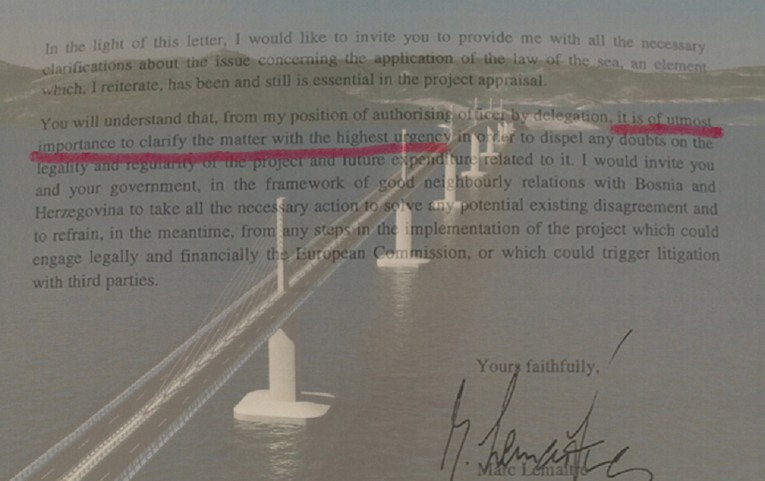
Ako ne znas engleski, rado cu ti prevesti pismo EK iz Januara 2018 godine ko kome ovdje suplju pricaSuper Genijalac wrote:ja vjerujem da i bakir nije loš čovjek ali da ga gledaju u oči i lažu, posebno savjetnici i lokalni šerifi koje je ustoličio na razne funkcije, odgovorno tvrdim da su gradski odbori stranaka organizovane kriminalne grupe koje baš i ne jebu matične centrale i predsjednike.

-
славянин

- Posts: 11277
- Joined: 30/05/2013 21:43
- Location: Tuzla,Sarajevo i dalje :)
#2978 Re: Pelješki most - ko koga zeza
Jos niko da pojasni zasto ustvari most smeta....General War wrote:Ako ne znas engleski, rado cu ti prevesti pismo EK iz Januara 2018 godine ko kome ovdje suplju pricaSuper Genijalac wrote:ja vjerujem da i bakir nije loš čovjek ali da ga gledaju u oči i lažu, posebno savjetnici i lokalni šerifi koje je ustoličio na razne funkcije, odgovorno tvrdim da su gradski odbori stranaka organizovane kriminalne grupe koje baš i ne jebu matične centrale i predsjednike.

-
Novak20
- Posts: 15317
- Joined: 11/02/2014 18:55
- Location: Taboo(t) teme i brisani postovi
#2979 Re: Pelješki most - ko koga zeza
Valjda prihvatanje realnosti D.Č. u pogledu mogućnosti da srpski član Predsjednistva potegne nacionalni interes u Skupštini RS koja bi glasala sa 2/3 glasova protiv revizije tužbe. Pošto je sve sa bošnjačke strane rađeno u zadnji čas, samo uvođenje prigovora bi oborilo rok za predaju zahtjeva. Nije sve bilo džaba, omastio se Sakib S.General War wrote:
Pa sta je bio razlog odbacivanja revizije odluke po tuzbi?

-
General War
- Posts: 24423
- Joined: 18/09/2013 22:04
#2980 Re: Pelješki most - ko koga zeza
Znas pisati, valjda znas i citati, ja skoro u svakom postu kazem jasno sta je...sad do tebe je:славянин wrote: Jos niko da pojasni zasto ustvari most smeta....
Jos da probam slikovito da objasnim:
-Zivis u stanu i djelis stubiste i sprat sa jos jednim komsijom koji ima dva stana na tom spratu, i padne mu na um da zagradi dio stubista kako bi povezao SVOJA dva stana, a eto tebi ce dopustiti da prolazis isto ali da izujes obucu i to u vremenu od 09:00-13.00 sati kad ides do lifta
...a ti znas da kad si kupovao stan da u ugovoru kaze da zajednicke prostorije u koje spadaju; lift, stubiste mora da se koristi neometano od strane svih stanara.Sad njemu nije jasno sto se ti bunis, sto hoce da zagradjuje zajednicki hodnik kako bi povezao SVOJE stanove.
legenda:
Hodnik-More
Stan1-kopneni dio hrvatske sa strane neuma
Stan2-kopneni dio hrvatske sa strane peljesca
Blesavi komsija-Hrvatska Vlada
Last edited by General War on 06/08/2018 15:17, edited 2 times in total.
-
General War
- Posts: 24423
- Joined: 18/09/2013 22:04
#2981 Re: Pelješki most - ko koga zeza
...Ja i gle cuda, sad isto Ivanic tvrdi oko granica.Novak20 wrote:Valjda prihvatanje realnosti D.Č. u pogledu mogućnosti da srpski član Predsjednistva potegne nacionalni interes u Skupštini RS koja bi glasala sa 2/3 glasova protiv revizije tužbe. Pošto je sve sa bošnjačke strane rađeno u zadnji čas, samo uvođenje prigovora bi oborilo rok za predaju zahtjeva. Nije sve bilo džaba, omastio se Sakib S.General War wrote:
Pa sta je bio razlog odbacivanja revizije odluke po tuzbi?
-
славянин
- Posts: 11277
- Joined: 30/05/2013 21:43
- Location: Tuzla,Sarajevo i dalje :)
#2982 Re: Pelješki most - ko koga zeza
Samo sto taj hodnik pripada po ugovoru i gruntovan je u teritoriju blentavog komsije i po klauzuli ugovora imas pravo koristenja tog hodnika nesmetano.Ovde ti ludi komsija ne pregradjuje hodnik prije ce biti da sebi spaja internet.Sa svoje teritorije preko svog mora na svoju teritoriju i rade sto moraju po zakonu tj. prave most ispod kojeg mogu proci brodovi (osim onog najveceg nosaca aviona jer bi mu antena zakacilaGeneral War wrote:Znas pisati, valjda znas i citati, ja skoro u svakom postu kazem jasno sta je...sad do tebe je:славянин wrote: Jos niko da pojasni zasto ustvari most smeta....
Jos da probam slikovito da objasnim:
-Zivis u stanu i djelis stubiste i sprat sa jos jednim komsijom koji ima dva stana na tom spratu, i padne mu na um da zagradi dio stubista kako bi povezao SVOJA dva stana, a eto tebi ce dopustiti da prolazis isto ali da izujes obucu i to u vremenu od 09:00-13.00 sati kad ides do lifta
Sad njemu nije jasno sto se ti bunis, sto hoce da zagradjuje zajednicki hodnik kako bi povezao SVOJE stanove.
legenda:
Hodnik-More
Stan1-kopneni dio hrvatske sa strane neuma
Stan2-kopneni dio hrvatske sa strane peljesca
Belsavi komsija-Hrvatska Vlada
 ) u nasu sa Bozijom i svakom drugom pomoci buducu luku.Hrvatske teritorijalne vode okruzuju cijeli Neum --
Po tom zakonu kojeg svi spominju Hrvatska nama mora dati nesmetan prolaz/izlaz u medjunarodne vode - a NE prepisati nama njihove teritorijalne vode niti ih proglasiti medjunarodnim.
-
General War
- Posts: 24423
- Joined: 18/09/2013 22:04
#2983 Re: Pelješki most - ko koga zeza
славянин wrote:Samo sto taj hodnik pripada po ugovoru i gruntovan je u teritoriju blentavog komsije i po klauzuli ugovora imas pravo koristenja tog hodnika nesmetano.Ovde ti ludi komsija ne pregradjuje hodnik prije ce biti da sebi spaja internet.Sa svoje teritorije preko svog mora na svoju teritoriju i rade sto moraju po zakonu tj. prave most ispod kojeg mogu proci brodovi (osim onog najveceg nosaca aviona jer bi mu antena zakacilaGeneral War wrote:Znas pisati, valjda znas i citati, ja skoro u svakom postu kazem jasno sta je...sad do tebe je:славянин wrote: Jos niko da pojasni zasto ustvari most smeta....
Jos da probam slikovito da objasnim:
-Zivis u stanu i djelis stubiste i sprat sa jos jednim komsijom koji ima dva stana na tom spratu, i padne mu na um da zagradi dio stubista kako bi povezao SVOJA dva stana, a eto tebi ce dopustiti da prolazis isto ali da izujes obucu i to u vremenu od 09:00-13.00 sati kad ides do lifta
Sad njemu nije jasno sto se ti bunis, sto hoce da zagradjuje zajednicki hodnik kako bi povezao SVOJE stanove.
legenda:
Hodnik-More
Stan1-kopneni dio hrvatske sa strane neuma
Stan2-kopneni dio hrvatske sa strane peljesca
Belsavi komsija-Hrvatska Vlada
Po tom zakonu kojeg svi spominju Hrvatska nama mora dati nesmetan prolaz/izlaz u medjunarodne vode - a NE prepisati nama njihove teritorijalne vode niti ih proglasiti medjunarodnim.

Ama kojeg ugovora?
Prema pravu, hrvatska mora nam obezbjediti koridor za izlazak na otvoreno more a ne "neskodljivi" prolaz.
Ne moze hrvatska graditi more po sopstvenom cejfu.
Ako ti nesto nije jasno, probaj pod piranski zaliv naci sebi odgovore jer tezak si slucaj bilo kako ti odgovoriti.
-
славянин
- Posts: 11277
- Joined: 30/05/2013 21:43
- Location: Tuzla,Sarajevo i dalje :)
#2984 Re: Pelješki most - ko koga zeza
Mozes samo navesti prema kojem pravu i kojoj konvenciji... I po tebi Bosfor su medjunarodne vode jeli ?
Gledaj situacije kod slovenaca

A vidi kod nas

Znaci sada mi imamo po tebi pravo da prepolovimo hrvatske teritorijalne vode i trazimo nekih 100 kilometara da nama pripadne za koridor...
Introduction
This chapter focuses on the application of the broad principles of freedom of the high seas and navigation rights, as outlined in the LOSC, within specific situations that permit coastal States to impose some limitations on freedom of navigation including “innocent passage” and “transit passage.”3 These rights are critical to U.S. commerce and military operations central to U.S. national security interests. The U.S. is not a party to the LOSC, but it considers the provisions of the Convention relating to the high seas and navigation rights to be a reflection of the customary international law that is binding on all States.
This chapter analyzes the legal definition of innocent passage by vessels through territorial waters and discusses the relevant articles of the LOSC regarding innocent passage. It then outlines the legal definition of transit passage through international straits and discusses the relevant articles of the LOSC regarding transit passage. The right of archipelagic sea lanes passage for ships and aircraft is also part of the freedom of navigation framework within the LOSC, but it will not be addressed in depth here.4 The final section highlights the U.S. Freedom of Navigation Program, which is designed to challenge unlawful limitations imposed by coastal States in some of the most hotly contested waters around the globe.
Right of Innocent Passage
The right of innocent passage for foreign vessels within the territorial sea of a coastal State is defined as “navigation through the territorial sea for the purpose of (a) traversing that sea without entering internal waters or calling at a roadstead or port facility outside internal waters; or (b) proceeding to or from internal waters or a call at such roadstead or port facility.” Passage must be “continuous and expeditious,” but it may include stopping and anchoring when incidental to ordinary navigation or rendered necessary by unusual circumstances.5
Article 19 of the LOSC declares that passage is “innocent” so long as it is not prejudicial to the peace, good order, or security of the coastal State and further outlines a list of 12 activities that are considered “prejudicial.” This list effectively precludes a range of military operations, including practicing or exercising weapons; collecting information to the prejudice of the coastal State; launching, landing or taking on board any aircraft or military device; and jamming coastal State communications. Submarines and underwater vehicles conducting innocent passage must navigate on the surface and show their flag.6 It is important to note that the right of innocent passage only applies to foreign vessels. Aircraft in flight are not entitled to innocent passage and thus aircraft must remain onboard vessels during innocent passage.7
An exception to the authority to deny innocent passage to aircraft exists within the limited context of the “right of assistance entry”8 based on the long-recognized duty of mariners to render immediate rescue assistance to those in danger or distress at sea. The right of assistance entry permits entry into the territorial sea by ships or, under certain circumstances, aircraft without permission of the coastal State for the limited purposes of rescue or assistance. This principle of customary international law is also reflected in the “duty to render assistance” described in Article 98 of the LOSC.9
The right of innocent passage applies to straits used for international navigation in accordance with the LOSC and cannot be suspended even when a situation of armed conflict exists.10 The right of innocent passage also applies to archipelagic waters, but it can be subject to temporary published suspensions for the protection of coastal State security.11
Lawful Limitations on Innocent Passage
Laws and Regulations of the Coastal State Relating to Innocent Passage
Article 24 prohibits coastal States from hampering the innocent passage of foreign ships through the territorial sea unless specifically authorized by other Articles of the LOSC. Coastal States are also prohibited from discriminating among States or cargoes from different nations.12 However, the LOSC permit coastal States to adopt laws
and regulations related to passage through the territorial sea in the following list of circumstances:
The safety of navigation and the regulation of maritime traffic;
The protection of navigational aids and facilities and other facilities or installations;
The protection of cables and pipelines;
The conservation of the living resources of the sea;
The prevention of infringement of the fisheries laws and regulations of the coastal State;
The preservation of the environment of the coastal State and the prevention, reduction and control of pollution thereof;
Marine scientific research and hydrographic surveys;
The prevention of infringement of the customs, fiscal, immigration or sanitary laws and regulations of the coastal State;
***
Prevention of collisions at sea including the use of designated sea lanes and traffic separation schemes; and
***
Require foreign nuclear-powered ships and ships carrying nuclear or other inherently dangerous or noxious substances to carry documents and observe special precautionary measures established for such ships by international agreements.13
Despite the broad regulatory authority outlined above, Article 26 of the LOSC prohibits the imposition of charges levied upon foreign ships for innocent passage unless a ship receives services rendered by the coastal State for which payment is due, such as refueling or maintenance.
Rights of Protection of the Coastal State
A coastal State may take necessary steps in its territorial sea to prevent passage which is not innocent and may announce temporary suspensions of innocent passage through a required public notice if the suspension is essential for security reasons, which include weapons exercises.14 While the text of the relevant articles of the LOSC does not explicitly grant the right of innocent passage to warships, the overall language of the LOSC in the context of its negotiation history and customary international law all make it clear that warships enjoy the right of innocent passage on an unimpeded and unannounced basis.15 However, if a warship does not comply with coastal State regulations that conform to established principles of international law and disregards a request for compliance that is made to it, the coastal State may require the warship to leave the territorial sea immediately.16 Due to the sovereign immunity of warships (discussed further in Chapter Six: Sovereign Immunity) the degree to which a coastal State can force a warship to exit its territorial waters in this situation is not clear. Additionally, coastal States may not prohibit transit or otherwise impair the rights of innocent passage of nuclear-powered sovereign vessels.17
Differing Interpretations Regarding Innocent Passage
Several articles of the LOSC addressing innocent passage have led to differing interpretations by States. For example, some coastal States interpret Article 19(1), which allows for innocent passage, to prohibit several activities not explicitly listed under Article 19(2). Another issue of interpretation is whether the coastal State may require foreign ships conducting innocent passage to carry equipment that enables the coastal State to monitor the ship’s movement. Some commentators have argued that no LOSC provision prevents the coastal State from imposing such a measure.18 However, the LOSC does not expressly characterize a foreign ship’s passage in the territorial sea as non-innocent if it fails to enable monitoring by the coastal State.
These disputed issues originate from the negotiations that preceded the adoption of the LOSC, which placed the interests of maritime powers in conflict with those of coastal States. Maritime powers pushed for more freedom of navigation, but coastal States argued for the ability to constrain mobility in certain circumstances to protect coastal State interests.19
Unlawful Restrictions Claimed by Outlier States
A number of States unlawfully require prior notification before a foreign warship may conduct innocent passage through their territorial waters, but most of these States do not specify when the foreign warship must provide the notification. A larger number of States, notably including China, not only unlawfully require notification, but also require that prior permission be granted.
Saudi Arabia unlawfully asserts that innocent passage does not apply to its territorial sea where there is an alternate route through the high seas or an exclusive economic zone (EEZ) which is equally suitable.
Romania20 and Lithuania21 prohibit the passage of ships carrying nuclear and other weapons of mass destruction through their territorial seas.
A complete list of the unlawful restrictions imposed by coastal States upon the right of innocent passage can be found in the Maritime Claims Reference Manual (MCRM) issued by the Department of Defense (DoD) Representative for Ocean Policy Affairs (REPOPA) published here.
Right of Transit Passage
The right of transit passage is defined as the exercise of the freedoms of navigation and overflight, solely for the purpose of continuous and expeditious transit through an international strait between one part of the high seas or an EEZ and another part of the high seas or an EEZ, in the normal modes of operation utilized by ships and aircraft for such passage. An exception to the right of transit passage declares that the right “shall not apply if the strait is formed by an island of a State bordering the strait and its mainland” and “there exists seaward of the island a route through the high seas or through an exclusive economic zone of similar convenience with respect to navigational and hydrographical characteristics.”22 Transit passage cannot be hampered or suspended by the coastal State for any purpose during peacetime. This also applies to transiting ships, including warships, of States at peace with the bordering coastal State but involved in armed conflict with another State.23 The right of transit passage applicable in peacetime, along with the laws and regulations of States bordering straits adopted in accordance with international law, continue to apply during armed conflict. However, during transit belligerents must not conduct offensive operations against enemy forces, nor use such neutral waters as a place of sanctuary or as a base of operations.24
It is important to note a few key differences between innocent passage and transit passage that are particularly relevant to military operations and to highlight the fact that fewer restrictions may be imposed on transit passage when compared to innocent passage. While there is no right to innocent passage for aircraft, and coastal States may deny entry to aircraft attempting to traverse airspace over their territorial waters, they may not deny transit passage to aircraft over an international strait.
In addition, while coastal States may require submarines to conduct innocent passage on the surface and showing their flag, they may not prohibit submarines from conducting transit passage submerged.25 Another difference is that transit passage may not be suspended by the coastal State, whereas innocent passage may be temporarily suspended.26
Duties of Ships and Aircraft During Transit Passage
Ships and aircraft exercising the right of transit passage shall (a) proceed without delay through or over the strait; (b) refrain from any threat or use of force against the sovereignty, territorial integrity, or political independence of States bordering the strait; and (c) refrain from any activities other than those incident to their normal modes of continuous and expeditious transit unless rendered necessary by force majeure or by distress.27 Surface warships may transit in a manner consistent with sound navigational practices and the security of the force, including the use of their electronic detection and navigational devices such as radar, sonar, and depth sounding devices, formation steaming, and the launching and recovery of aircraft.28
Laws, Regulations, & Duties of States Bordering Straits Relating to Transit Passage
Foreign ships are required to obtain the authorization of the coastal States that border straits prior to carrying out any research or survey activities while exercising the right of transit passage.29 States bordering straits have the authority to establish sea lanes and traffic separation schemes where necessary to promote the safe passage of ships in straits used for international navigation.30Warships, auxiliaries, and government ships operated on exclusive government service, i.e., sovereign-immune vessels, are not legally required to comply with such sea lanes and traffic separation schemes while in transit passage, but they must exercise due regard for the safety of navigation. Coastal States may not prohibit transit or otherwise impair the right of transit passage of nuclear-powered sovereign vessels.31
Coastal States have the authority to adopt laws and regulations relating to transit passage through straits, with respect to all or any of the following:
(a) The safety of navigation and the regulation of maritime traffic, as provided in Article 41;
(b) The prevention, reduction and control of pollution, by giving effect to applicable international regulations regarding the discharge of oil, oily wastes and other noxious substances in the strait;
(c) With respect to fishing vessels, the prevention of fishing, including the stowage of fishing gear;
(d) The loading or unloading of any commodity, currency or person in contravention of the customs, fiscal, immigration or sanitary laws and regulations of States bordering straits.32
States bordering straits have the duty not to hamper transit passage and to give appropriate publicity to any danger to navigation or overflight within or over the strait of which they have knowledge.33
Gledaj situacije kod slovenaca
A vidi kod nas
Znaci sada mi imamo po tebi pravo da prepolovimo hrvatske teritorijalne vode i trazimo nekih 100 kilometara da nama pripadne za koridor...
Introduction
This chapter focuses on the application of the broad principles of freedom of the high seas and navigation rights, as outlined in the LOSC, within specific situations that permit coastal States to impose some limitations on freedom of navigation including “innocent passage” and “transit passage.”3 These rights are critical to U.S. commerce and military operations central to U.S. national security interests. The U.S. is not a party to the LOSC, but it considers the provisions of the Convention relating to the high seas and navigation rights to be a reflection of the customary international law that is binding on all States.
This chapter analyzes the legal definition of innocent passage by vessels through territorial waters and discusses the relevant articles of the LOSC regarding innocent passage. It then outlines the legal definition of transit passage through international straits and discusses the relevant articles of the LOSC regarding transit passage. The right of archipelagic sea lanes passage for ships and aircraft is also part of the freedom of navigation framework within the LOSC, but it will not be addressed in depth here.4 The final section highlights the U.S. Freedom of Navigation Program, which is designed to challenge unlawful limitations imposed by coastal States in some of the most hotly contested waters around the globe.
Right of Innocent Passage
The right of innocent passage for foreign vessels within the territorial sea of a coastal State is defined as “navigation through the territorial sea for the purpose of (a) traversing that sea without entering internal waters or calling at a roadstead or port facility outside internal waters; or (b) proceeding to or from internal waters or a call at such roadstead or port facility.” Passage must be “continuous and expeditious,” but it may include stopping and anchoring when incidental to ordinary navigation or rendered necessary by unusual circumstances.5
Article 19 of the LOSC declares that passage is “innocent” so long as it is not prejudicial to the peace, good order, or security of the coastal State and further outlines a list of 12 activities that are considered “prejudicial.” This list effectively precludes a range of military operations, including practicing or exercising weapons; collecting information to the prejudice of the coastal State; launching, landing or taking on board any aircraft or military device; and jamming coastal State communications. Submarines and underwater vehicles conducting innocent passage must navigate on the surface and show their flag.6 It is important to note that the right of innocent passage only applies to foreign vessels. Aircraft in flight are not entitled to innocent passage and thus aircraft must remain onboard vessels during innocent passage.7
An exception to the authority to deny innocent passage to aircraft exists within the limited context of the “right of assistance entry”8 based on the long-recognized duty of mariners to render immediate rescue assistance to those in danger or distress at sea. The right of assistance entry permits entry into the territorial sea by ships or, under certain circumstances, aircraft without permission of the coastal State for the limited purposes of rescue or assistance. This principle of customary international law is also reflected in the “duty to render assistance” described in Article 98 of the LOSC.9
The right of innocent passage applies to straits used for international navigation in accordance with the LOSC and cannot be suspended even when a situation of armed conflict exists.10 The right of innocent passage also applies to archipelagic waters, but it can be subject to temporary published suspensions for the protection of coastal State security.11
Lawful Limitations on Innocent Passage
Laws and Regulations of the Coastal State Relating to Innocent Passage
Article 24 prohibits coastal States from hampering the innocent passage of foreign ships through the territorial sea unless specifically authorized by other Articles of the LOSC. Coastal States are also prohibited from discriminating among States or cargoes from different nations.12 However, the LOSC permit coastal States to adopt laws
and regulations related to passage through the territorial sea in the following list of circumstances:
The safety of navigation and the regulation of maritime traffic;
The protection of navigational aids and facilities and other facilities or installations;
The protection of cables and pipelines;
The conservation of the living resources of the sea;
The prevention of infringement of the fisheries laws and regulations of the coastal State;
The preservation of the environment of the coastal State and the prevention, reduction and control of pollution thereof;
Marine scientific research and hydrographic surveys;
The prevention of infringement of the customs, fiscal, immigration or sanitary laws and regulations of the coastal State;
***
Prevention of collisions at sea including the use of designated sea lanes and traffic separation schemes; and
***
Require foreign nuclear-powered ships and ships carrying nuclear or other inherently dangerous or noxious substances to carry documents and observe special precautionary measures established for such ships by international agreements.13
Despite the broad regulatory authority outlined above, Article 26 of the LOSC prohibits the imposition of charges levied upon foreign ships for innocent passage unless a ship receives services rendered by the coastal State for which payment is due, such as refueling or maintenance.
Rights of Protection of the Coastal State
A coastal State may take necessary steps in its territorial sea to prevent passage which is not innocent and may announce temporary suspensions of innocent passage through a required public notice if the suspension is essential for security reasons, which include weapons exercises.14 While the text of the relevant articles of the LOSC does not explicitly grant the right of innocent passage to warships, the overall language of the LOSC in the context of its negotiation history and customary international law all make it clear that warships enjoy the right of innocent passage on an unimpeded and unannounced basis.15 However, if a warship does not comply with coastal State regulations that conform to established principles of international law and disregards a request for compliance that is made to it, the coastal State may require the warship to leave the territorial sea immediately.16 Due to the sovereign immunity of warships (discussed further in Chapter Six: Sovereign Immunity) the degree to which a coastal State can force a warship to exit its territorial waters in this situation is not clear. Additionally, coastal States may not prohibit transit or otherwise impair the rights of innocent passage of nuclear-powered sovereign vessels.17
Differing Interpretations Regarding Innocent Passage
Several articles of the LOSC addressing innocent passage have led to differing interpretations by States. For example, some coastal States interpret Article 19(1), which allows for innocent passage, to prohibit several activities not explicitly listed under Article 19(2). Another issue of interpretation is whether the coastal State may require foreign ships conducting innocent passage to carry equipment that enables the coastal State to monitor the ship’s movement. Some commentators have argued that no LOSC provision prevents the coastal State from imposing such a measure.18 However, the LOSC does not expressly characterize a foreign ship’s passage in the territorial sea as non-innocent if it fails to enable monitoring by the coastal State.
These disputed issues originate from the negotiations that preceded the adoption of the LOSC, which placed the interests of maritime powers in conflict with those of coastal States. Maritime powers pushed for more freedom of navigation, but coastal States argued for the ability to constrain mobility in certain circumstances to protect coastal State interests.19
Unlawful Restrictions Claimed by Outlier States
A number of States unlawfully require prior notification before a foreign warship may conduct innocent passage through their territorial waters, but most of these States do not specify when the foreign warship must provide the notification. A larger number of States, notably including China, not only unlawfully require notification, but also require that prior permission be granted.
Saudi Arabia unlawfully asserts that innocent passage does not apply to its territorial sea where there is an alternate route through the high seas or an exclusive economic zone (EEZ) which is equally suitable.
Romania20 and Lithuania21 prohibit the passage of ships carrying nuclear and other weapons of mass destruction through their territorial seas.
A complete list of the unlawful restrictions imposed by coastal States upon the right of innocent passage can be found in the Maritime Claims Reference Manual (MCRM) issued by the Department of Defense (DoD) Representative for Ocean Policy Affairs (REPOPA) published here.
Right of Transit Passage
The right of transit passage is defined as the exercise of the freedoms of navigation and overflight, solely for the purpose of continuous and expeditious transit through an international strait between one part of the high seas or an EEZ and another part of the high seas or an EEZ, in the normal modes of operation utilized by ships and aircraft for such passage. An exception to the right of transit passage declares that the right “shall not apply if the strait is formed by an island of a State bordering the strait and its mainland” and “there exists seaward of the island a route through the high seas or through an exclusive economic zone of similar convenience with respect to navigational and hydrographical characteristics.”22 Transit passage cannot be hampered or suspended by the coastal State for any purpose during peacetime. This also applies to transiting ships, including warships, of States at peace with the bordering coastal State but involved in armed conflict with another State.23 The right of transit passage applicable in peacetime, along with the laws and regulations of States bordering straits adopted in accordance with international law, continue to apply during armed conflict. However, during transit belligerents must not conduct offensive operations against enemy forces, nor use such neutral waters as a place of sanctuary or as a base of operations.24
It is important to note a few key differences between innocent passage and transit passage that are particularly relevant to military operations and to highlight the fact that fewer restrictions may be imposed on transit passage when compared to innocent passage. While there is no right to innocent passage for aircraft, and coastal States may deny entry to aircraft attempting to traverse airspace over their territorial waters, they may not deny transit passage to aircraft over an international strait.
In addition, while coastal States may require submarines to conduct innocent passage on the surface and showing their flag, they may not prohibit submarines from conducting transit passage submerged.25 Another difference is that transit passage may not be suspended by the coastal State, whereas innocent passage may be temporarily suspended.26
Duties of Ships and Aircraft During Transit Passage
Ships and aircraft exercising the right of transit passage shall (a) proceed without delay through or over the strait; (b) refrain from any threat or use of force against the sovereignty, territorial integrity, or political independence of States bordering the strait; and (c) refrain from any activities other than those incident to their normal modes of continuous and expeditious transit unless rendered necessary by force majeure or by distress.27 Surface warships may transit in a manner consistent with sound navigational practices and the security of the force, including the use of their electronic detection and navigational devices such as radar, sonar, and depth sounding devices, formation steaming, and the launching and recovery of aircraft.28
Laws, Regulations, & Duties of States Bordering Straits Relating to Transit Passage
Foreign ships are required to obtain the authorization of the coastal States that border straits prior to carrying out any research or survey activities while exercising the right of transit passage.29 States bordering straits have the authority to establish sea lanes and traffic separation schemes where necessary to promote the safe passage of ships in straits used for international navigation.30Warships, auxiliaries, and government ships operated on exclusive government service, i.e., sovereign-immune vessels, are not legally required to comply with such sea lanes and traffic separation schemes while in transit passage, but they must exercise due regard for the safety of navigation. Coastal States may not prohibit transit or otherwise impair the right of transit passage of nuclear-powered sovereign vessels.31
Coastal States have the authority to adopt laws and regulations relating to transit passage through straits, with respect to all or any of the following:
(a) The safety of navigation and the regulation of maritime traffic, as provided in Article 41;
(b) The prevention, reduction and control of pollution, by giving effect to applicable international regulations regarding the discharge of oil, oily wastes and other noxious substances in the strait;
(c) With respect to fishing vessels, the prevention of fishing, including the stowage of fishing gear;
(d) The loading or unloading of any commodity, currency or person in contravention of the customs, fiscal, immigration or sanitary laws and regulations of States bordering straits.32
States bordering straits have the duty not to hamper transit passage and to give appropriate publicity to any danger to navigation or overflight within or over the strait of which they have knowledge.33
Last edited by славянин on 06/08/2018 15:56, edited 2 times in total.
-
Hafis
- Posts: 17983
- Joined: 18/07/2013 12:40
- Location: južno, niz Ivan
#2985 Re: Pelješki most - ko koga zeza
Zar još diplite o ovome?
BiH će imati nesmetan prilaz/izlaz u međunarodne vode ispod pelješačkog mosta. I to već za tri godine.
S tim da će sami taj prilaz biti predmet nekih budućih dogovora. Pošto, kako je ovo krenulo, BiH ionako neće imati potrebe ni za kakvim prilazima međunarodnim vodama barem još 50 godina.
BiH će imati nesmetan prilaz/izlaz u međunarodne vode ispod pelješačkog mosta. I to već za tri godine.
S tim da će sami taj prilaz biti predmet nekih budućih dogovora. Pošto, kako je ovo krenulo, BiH ionako neće imati potrebe ni za kakvim prilazima međunarodnim vodama barem još 50 godina.
-
General War
- Posts: 24423
- Joined: 18/09/2013 22:04
#2986 Re: Pelješki most - ko koga zeza
Ma ne pada mi napamet ponavljati opet, sve mozes naci od ove teme od bosfora do statusa Mjeseca...istrazuj, ako te zanima (imas prava, imas ugovore, imas slicne sporove...) pa se javi ako ti sta bude interesantno, samo mapa sto si postavio bi ti trebala nesto reci kako se na moru povlace granice.славянин wrote:Mozes samo navesti prema kojem pravu i kojoj konvenciji... I po tebi Bosfor su medjunarodne vode jeli ?
Gledaj situacije kod slovenaca
A vidi kod nas
Znaci sada mi imamo po tebi pravo da prepolovimo hrvatske teritorijalne vode i trazimo nekih 100 kilometara da nama pripadne za koridor...
Edit;
U medju vremenu si promjenio post:
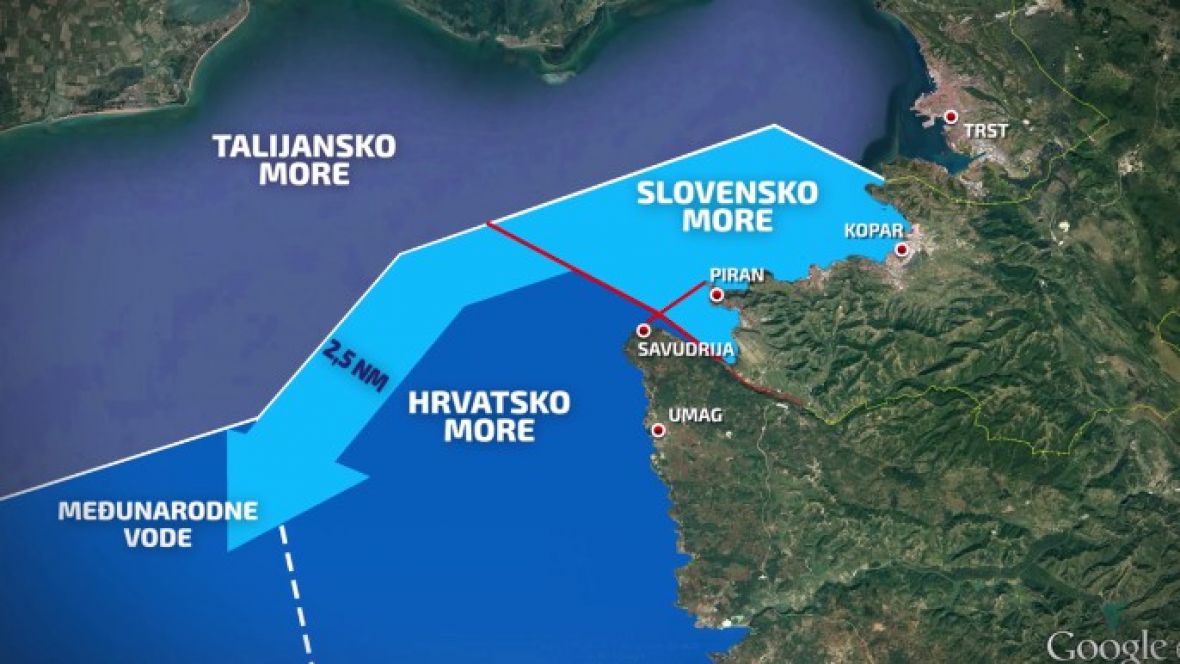
Pa to je i poenta, BiH kako vec znas KOPNOM djeli hrvatsku na dva dijela, tako i morskim putem...sta mene briga za hrvatske interese ili da im damo i kopno da se ne zamaraju?
Last edited by General War on 06/08/2018 15:55, edited 1 time in total.
-
un1ted

- Posts: 9957
- Joined: 20/10/2012 13:29
- Location: Tema onih koji zaradjuju do 500KM viewtopic.php?f=77&t=82867&p=17676078#p17676

#2987 Re: Pelješki most - ko koga zeza
Jes jes, mi najpametnij, sve pravnici kurci palci, a hrvati grade  Neka grade i rade ako su sposobni
Neka grade i rade ako su sposobni -
General War
- Posts: 24423
- Joined: 18/09/2013 22:04
#2988 Re: Pelješki most - ko koga zeza
Sta, mislis da je drugi dio agresije vec krenuo?Hafis wrote:Zar još diplite o ovome?
BiH će imati nesmetan prilaz/izlaz u međunarodne vode ispod pelješačkog mosta. I to već za tri godine.
S tim da će sami taj prilaz biti predmet nekih budućih dogovora. Pošto, kako je ovo krenulo, BiH ionako neće imati potrebe ni za kakvim prilazima međunarodnim vodama barem još 50 godina.
-
General War
- Posts: 24423
- Joined: 18/09/2013 22:04
#2989 Re: Pelješki most - ko koga zeza
Ja qurca i sposobnosti.un1ted wrote:Jes jes, mi najpametnij, sve pravnici kurci palci, a hrvati grade
-
un1ted
- Posts: 9957
- Joined: 20/10/2012 13:29
- Location: Tema onih koji zaradjuju do 500KM viewtopic.php?f=77&t=82867&p=17676078#p17676
#2990 Re: Pelješki most - ko koga zeza
Barem su sposobnij od nas Toliko buke u medijima, mi ćemo ovo, ono, neće graditi i onda se posraše po sred mora
Toliko buke u medijima, mi ćemo ovo, ono, neće graditi i onda se posraše po sred mora -
General War
- Posts: 24423
- Joined: 18/09/2013 22:04
#2991 Re: Pelješki most - ko koga zeza
Jel ti to Covic "nas"?un1ted wrote:Barem su sposobnij od nas
-
studiorum_tuzlaensis

- Posts: 6230
- Joined: 08/07/2015 11:06
- Location: dogodine u Mariupolju
#2992 Re: Pelješki most - ko koga zeza
zamisli da su svi vaki dušebrižnici za državom kad treba na izbore izać, glasat i izabrat neku normalniju vlast...
Đe bi nam kraj bio...
Đe bi nam kraj bio...
-
славянин
- Posts: 11277
- Joined: 30/05/2013 21:43
- Location: Tuzla,Sarajevo i dalje :)
#2993 Re: Pelješki most - ko koga zeza
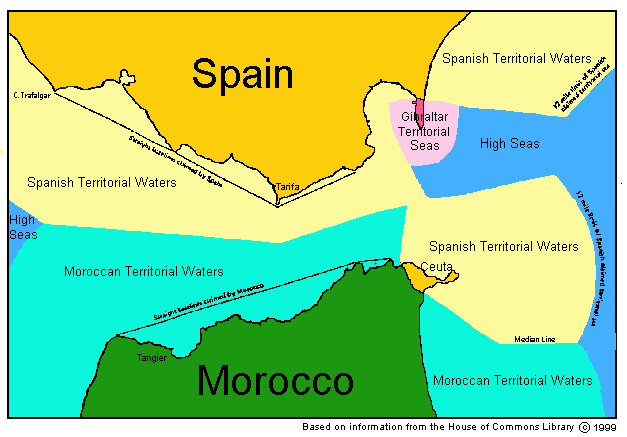
Territorial waters or a territorial sea, as defined by the 2013 United Nations Convention on the Law of the Sea,[1] is a belt of coastal waters extending at most 12 nautical miles (22.2 km; 13.8 mi) from the baseline (usually the mean low-water mark) of a coastal state. The territorial sea is regarded as the sovereign territory of the state, although foreign ships (civilian) are allowed innocent passage through it, or transit passage for straits; this sovereignty also extends to the airspace over and seabed below. Adjustment of these boundaries is called, in international law, maritime delimitation.General War wrote:Ma ne pada mi napamet ponavljati opet, sve mozes naci od ove teme od bosfora do statusa Mjeseca...istrazuj, ako te zanima (imas prava, imas ugovore, imas slicne sporove...) pa se javi ako ti sta bude interesantno, samo mapa sto si postavio bi ti trebala nesto reci kako se na moru povlace granice.славянин wrote:Mozes samo navesti prema kojem pravu i kojoj konvenciji... I po tebi Bosfor su medjunarodne vode jeli ?
Gledaj situacije kod slovenaca
A vidi kod nas
Znaci sada mi imamo po tebi pravo da prepolovimo hrvatske teritorijalne vode i trazimo nekih 100 kilometara da nama pripadne za koridor...
Edit;
U medju vremenu si promjenio post:
Pa to je i poenta, BiH kako vec znas KOPNOM djeli hrvatsku na dva dijela, tako i morskim putem...sta mene briga za hrvatske interese ili da im damo i kopno da se ne zamaraju?
The term "territorial waters" is also sometimes used informally to refer to any area of water over which a state has jurisdiction, including internal waters, the contiguous zone, the exclusive economic zone and potentially the continental shelf.


-
halo_ba
- Posts: 1582
- Joined: 05/10/2005 21:06
#2994 Re: Pelješki most - ko koga zeza
Jos kad bi ti, Bosnacino i Hercegovcino (bar se tako trolas), pojasnio zasto si uvijek na strani drugih....славянин wrote:Jos niko da pojasni zasto ustvari most smeta....General War wrote:Ako ne znas engleski, rado cu ti prevesti pismo EK iz Januara 2018 godine ko kome ovdje suplju pricaSuper Genijalac wrote:ja vjerujem da i bakir nije loš čovjek ali da ga gledaju u oči i lažu, posebno savjetnici i lokalni šerifi koje je ustoličio na razne funkcije, odgovorno tvrdim da su gradski odbori stranaka organizovane kriminalne grupe koje baš i ne jebu matične centrale i predsjednike.
nema veze ko je taj drugi i o cemu se radi, ti si uvijek tu da nam kazes kako su drugi u pravu, kako bi nam bilo bolje da ucimo i radimo, da gradimo drzavu i cuvamo lila krave na zelenim pasnjacima.
Mozemo rado zajedno citirati tvojih zadnjih stotinu ili hiljadu/tisucu postova, nema problema....
uvijek su glupi Bosanci (citaj: Bosnjaci) krivi i pogresno shvataju, a bolje bi im bilo da uce i rade i cuvaju lila krave na zelenim pasnjacima.
Ova bi zemlja procvetala, samo da Bosnjaci oce... ovaj, hoce... uciti i raditi.
-
славянин
- Posts: 11277
- Joined: 30/05/2013 21:43
- Location: Tuzla,Sarajevo i dalje :)
#2995 Re: Pelješki most - ko koga zeza
Upravo - mozda ne valja jer ne krivim druge i ne trazim izgovore i ne bavim se apologetizmom.
“U demokratiji narod ima tacno onakvu vlast kakvu zasluzuje”
Sami sebi smo krivi - to da trebamo uciti - itekako...
“U demokratiji narod ima tacno onakvu vlast kakvu zasluzuje”
Sami sebi smo krivi - to da trebamo uciti - itekako...
-
Fudo387
- Posts: 21793
- Joined: 24/01/2015 19:44
#2996 Re: Pelješki most - ko koga zeza
Pa dokle sezu BiH teritorijalne vode ako po toj konvenciji koju si postavio, trebaju ici 22 i kusur kilometara od obale, ili tog nekog zamisljenog plicaka?славянин wrote:Territorial waters or a territorial sea, as defined by the 2013 United Nations Convention on the Law of the Sea,[1] is a belt of coastal waters extending at most 12 nautical miles (22.2 km; 13.8 mi) from the baseline (usually the mean low-water mark) of a coastal state. The territorial sea is regarded as the sovereign territory of the state, although foreign ships (civilian) are allowed innocent passage through it, or transit passage for straits; this sovereignty also extends to the airspace over and seabed below. Adjustment of these boundaries is called, in international law, maritime delimitation.General War wrote:Ma ne pada mi napamet ponavljati opet, sve mozes naci od ove teme od bosfora do statusa Mjeseca...istrazuj, ako te zanima (imas prava, imas ugovore, imas slicne sporove...) pa se javi ako ti sta bude interesantno, samo mapa sto si postavio bi ti trebala nesto reci kako se na moru povlace granice.славянин wrote:Mozes samo navesti prema kojem pravu i kojoj konvenciji... I po tebi Bosfor su medjunarodne vode jeli ?
Gledaj situacije kod slovenaca
A vidi kod nas
Znaci sada mi imamo po tebi pravo da prepolovimo hrvatske teritorijalne vode i trazimo nekih 100 kilometara da nama pripadne za koridor...
Edit;
U medju vremenu si promjenio post:
Pa to je i poenta, BiH kako vec znas KOPNOM djeli hrvatsku na dva dijela, tako i morskim putem...sta mene briga za hrvatske interese ili da im damo i kopno da se ne zamaraju?
The term "territorial waters" is also sometimes used informally to refer to any area of water over which a state has jurisdiction, including internal waters, the contiguous zone, the exclusive economic zone and potentially the continental shelf.
Mislim, na kojoj tacki mora tih 22 km zavrsavaju, konkrerno na karti?
-
halo_ba
- Posts: 1582
- Joined: 05/10/2005 21:06
#2997 Re: Pelješki most - ko koga zeza
Cak je i teoretski nemoguce da je uvijek kriva samo jedna strana. Cisto po zakonu vjerovatnoce, kad-tad bi i BiH mogla imati pravo.славянин wrote:Upravo - mozda ne valja jer ne krivim druge i ne trazim izgovore i ne bavim se apologetizmom.
“U demokratiji narod ima tacno onakvu vlast kakvu zasluzuje”
Sami sebi smo krivi - to da trebamo uciti - itekako...
Medjutim, kod tebe - nula.
Necemo kriviti druge ni za agresiju (koja, uz pomoc kvislinga i drugim sredstvima, traje i danas), necemo kriviti ni kvislinge u sluzbi neprijateljskih drzava, koji cine 2/3 trenutnih problema, necemo kriviti ni pljackase nase imovine u inostranstvu, ni za podmetanje nogu gdje god je i kad god je to moguce...
ali, cisto po zakonu vjerovatnoce, BiH bi mogla bar jednom biti u pravu.
Znas kako se kaze: kasalj, svrab i ljubav se ne mogu sakriti. Tako su na ovoj temi pale maske mnogih "Bosanaca", cak stovise "Bosnjaka", jer nisu mogli podnijeti da im neko govori protiv matice. Ili nisu mogli podnijeti da kazu ni jednu jedinu pozitivnu rijec o BiH, zemlji koju bi tako rado predali na polzu otcestvu.
-
General War
- Posts: 24423
- Joined: 18/09/2013 22:04
#2998 Re: Pelješki most - ko koga zeza
Pogresne stvari navodis, stvarno ne znam zasto se pravis lud kad nije tesko naci na koju UN konvenciju se BiH poziva, i zasto bas tu, i zbog cega,славянин wrote:Territorial waters or a territorial sea, as defined by the 2013 United Nations Convention on the Law of the Sea,[1] is a belt of coastal waters extending at most 12 nautical miles (22.2 km; 13.8 mi) from the baseline (usually the mean low-water mark) of a coastal state. The territorial sea is regarded as the sovereign territory of the state, although foreign ships (civilian) are allowed innocent passage through it, or transit passage for straits; this sovereignty also extends to the airspace over and seabed below. Adjustment of these boundaries is called, in international law, maritime delimitation.General War wrote:Ma ne pada mi napamet ponavljati opet, sve mozes naci od ove teme od bosfora do statusa Mjeseca...istrazuj, ako te zanima (imas prava, imas ugovore, imas slicne sporove...) pa se javi ako ti sta bude interesantno, samo mapa sto si postavio bi ti trebala nesto reci kako se na moru povlace granice.славянин wrote:Mozes samo navesti prema kojem pravu i kojoj konvenciji... I po tebi Bosfor su medjunarodne vode jeli ?
Gledaj situacije kod slovenaca
A vidi kod nas
Znaci sada mi imamo po tebi pravo da prepolovimo hrvatske teritorijalne vode i trazimo nekih 100 kilometara da nama pripadne za koridor...
Edit;
U medju vremenu si promjenio post:
Pa to je i poenta, BiH kako vec znas KOPNOM djeli hrvatsku na dva dijela, tako i morskim putem...sta mene briga za hrvatske interese ili da im damo i kopno da se ne zamaraju?
The term "territorial waters" is also sometimes used informally to refer to any area of water over which a state has jurisdiction, including internal waters, the contiguous zone, the exclusive economic zone and potentially the continental shelf.
MINISTARSTVO VANJSKIH POSLOVA
84
Na temelju točke IV. Odluke o objavljivanju mnogostranih međunarodnih ugovora kojih je Republika Hrvatska stranka na temelju notifikacija o sukcesiji i pristupa (akcesije) (»Narodne novine – Međunarodni ugovori« broj 11/95), Ministarstvo vanjskih poslova Republike Hrvatske objavljuje
KONVENCIJU UJEDINJENIH NARODA O PRAVU MORA
i Završni akt Treće konferencije Ujedinjenih naroda o pravu mora
s Prilozima I.-VII. i Dodatkom
i
SPORAZUM O PRIMJENI XI. DIJELA KONVENCIJE UJEDINJENIH NARODA
O PRAVU MORA OD 10. PROSINCA 1982.
Konvenciju Ujedinjenih naroda o pravu mora usvojila je Treća konferencija Ujedinjenih naroda i ona je otvorena za potpisivanje, zajedno sa Završnim aktom Konferencije, u Montego Bayu, Jamajka, 10. prosinca 1982. Konvencija je stupila na snagu 16. studenoga 1994., a Republika Hrvatska odgovarajuću notifikaciju o sukcesiji položila je kod glavnog tajnika Ujedinjenih naroda 5. travnja 1995.
Sporazum o primjeni XI. dijela Konvencije Ujedinjenih naroda o pravu mora od 10. prosinca 1982. usvojila je Opća skupština Ujedinjenih naroda rezolucijom 48/263 28. srpnja 1994. Sporazum se je privremeno primjenjivao od 16. studenoga 1994., a stupio je na snagu 28. srpnja 1996. Republika Hrvatska dala je pristanak biti vezana Sporazumom 5. svibnja 1995. prigodom polaganja notifikacije o sukcesiji Konvencije Ujedinjenih naroda o pravu mora kod glavnog tajnika Ujedinjenih naroda.
Konvencija Ujedinjenih naroda o pravu mora s Prilozima I-IX. koji su njezin sastavni dio, Završni akt Treće konferencije Ujedinjenih naroda o pravu mora s Prilozima I-VII i Dodatkom te Sporazum o primjeni XI. dijela Konvencije Ujedinjenih naroda o pravu mora od 10. prosinca 1982. s Prilogom koji je njegov sastavni dio, u izvorniku na engleskom jeziku i u prijevodu na hrvatski jezik glase:
UNITED NATIONS CONVENTION ON THE LAW OF THE SEA:
Article 7
Straight baselines
6. The system of straight baselines may not be applied by a State in such a manner as to cut off the territorial sea of another State from the high seas or an exclusive economic zone.
-
Hafis
- Posts: 17983
- Joined: 18/07/2013 12:40
- Location: južno, niz Ivan
#2999 Re: Pelješki most - ko koga zeza
Ma jok kume, u pogrešnu rupu guraš.General War wrote:Sta, mislis da je drugi dio agresije vec krenuo?Hafis wrote:Zar još diplite o ovome?
BiH će imati nesmetan prilaz/izlaz u međunarodne vode ispod pelješačkog mosta. I to već za tri godine.
S tim da će sami taj prilaz biti predmet nekih budućih dogovora. Pošto, kako je ovo krenulo, BiH ionako neće imati potrebe ni za kakvim prilazima međunarodnim vodama barem još 50 godina.
Htio sam reći da BiH zadugo neće biti pomorska zemlja u doslovnom smislu. Za naših života neće sigurno. Ne postoji nikakva pomorska tradicija, niti postoji bilo što u ovoj državi što je okrenuto pomorstvu na bilo koji način. Nije ti to moj kume ćimburijada ili ganganje na gumnu.
Doduše, osim onih namazanih delegata što su se dosjetili da se prozovu Pomorskim društvom, pa ako ih zapadne štogod iz proračuna, nije loša zakrpa.
-
General War
- Posts: 24423
- Joined: 18/09/2013 22:04
#3000 Re: Pelješki most - ko koga zeza
Je li to meni se obracas? Ako ne, Ok Onda nistahalo_ba wrote: Jos kad bi ti, Bosnacino i Hercegovcino (bar se tako trolas), pojasnio zasto si uvijek na strani drugih....
nema veze ko je taj drugi i o cemu se radi, ti si uvijek tu da nam kazes kako su drugi u pravu, kako bi nam bilo bolje da ucimo i radimo, da gradimo drzavu i cuvamo lila krave na zelenim pasnjacima.
Mozemo rado zajedno citirati tvojih zadnjih stotinu ili hiljadu/tisucu postova, nema problema....
uvijek su glupi Bosanci (citaj: Bosnjaci) krivi i pogresno shvataju, a bolje bi im bilo da uce i rade i cuvaju lila krave na zelenim pasnjacima.
Ova bi zemlja procvetala, samo da Bosnjaci oce... ovaj, hoce... uciti i raditi.
Ps;
Ja nisam Bosnjak...ali ne volim prodavanje M pod B.