#226 Re: Opasnost od vakcina i vakcinacije
Posted: 17/07/2014 13:59
Stop vakcinaciji!
Bolje da si napisao "Stop zdravom razumu!", preciznije vas definiše zavjeraši.Russki wrote:Stop vakcinaciji!

da vidimo jeli to tacnoThe Realist wrote:Autizam se manifestuje obicno u prvoj godini zivota i to bas kada se primaju odredjene vakcine, te se zato i povezuju sa istim. Ali autizam se tada krne manifestovati i kod djece koja nisu vakcinisana, ali to uglavnom ljudi ne znaju.
Ja razumijem da se treba raspravljati o rizicima koje moze nositi vakcinacija i kako smanjiti iste, ali tvrditi kako nevalja i davati argumente tipa "vakcina protiv polia je najveci uzrocnik polia u SAD-u" je stvarno dokaz koliko oni koji zagovaraju te stvari, nemaju osnovnog znanja o istome.
http://www.iansvoice.org/GaRGa wrote:
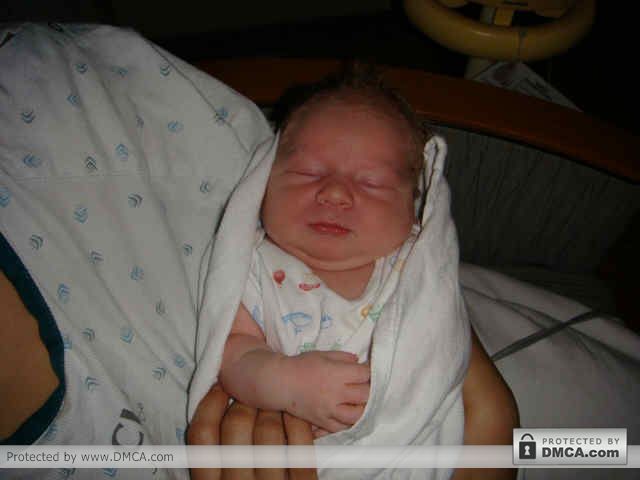
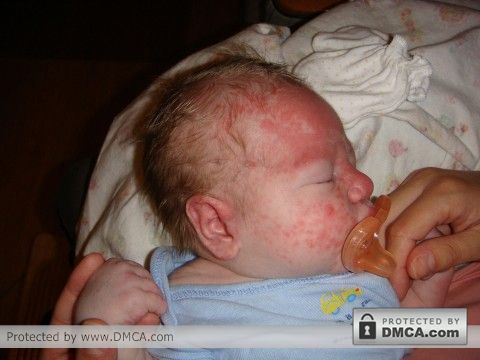
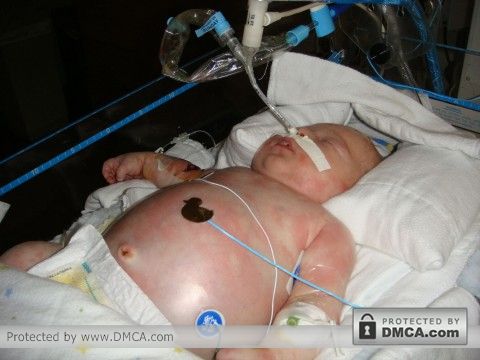
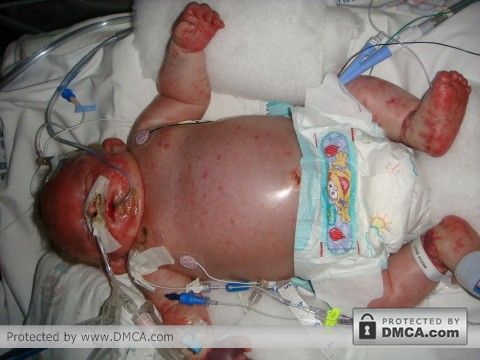
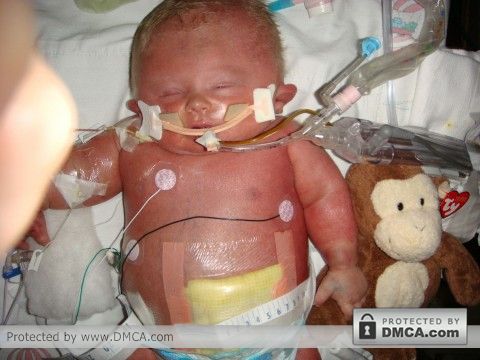
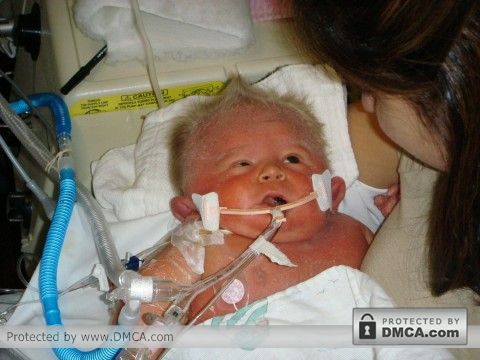
Studies Prove Without Doubt That Unvaccinated Children Are Far Healthier Than Their Vaccinated PeersThe Realist wrote:Hajmo stavljati fotografije oboljelih od svih bolesti protiv kojih nas stite vakcine? Ili jos bolje, hajmo postaviti fotografija nisana/spomenika svih onih koji umrli od spomenutih bolesti i uporediti s onim koji su umrli radi vakcine. Jeste bizarno, ali ce dati puno bolju sliku cijele situacije.
Na mobitelu sam, ali postavim poslije rezultate drugih studija vezanih za autizam.
Autism and vaccines: It's the link that just won't die.
The American Academy of Pediatrics, the CDC, the World Health Organization, and the Institute of Medicine all agree that there's probably no relationship between autism and vaccines.
Sanders strongly supports vaccines, saying their benefits far outweigh their risks. But he understands where the concern about vaccines and autism comes from.
Također, za razliku od ove dolje studije, ovdje su milioni djeca ispitani dok se nije došlo do zaključka (i opet kao pravi profesionalci stave "unlikely", jer uvijek postoji doza opreza i postoji šansa da postane okidač za nešto što već postoji u organizmu, dok ovi dolje odmah donose zaključke na tako malom broju ispitanika, što odmah govori o čemu se radi tu), dolje su ispitali par stotina i stvorili zaključak, ali ono što je inderesantno, nisu htjeli reći koliko su djeca i od čega oboljevala prije vakcinacije i koliko ih je preživaljvalo da bi mogla oboljeti poslije od nečega.Most medical researchers argue that this is probably a coincidence: Autism symptoms tend to become apparent around the same time that children are scheduled to get routine vaccines.
Although there are two separate issues concerning vaccines and autism, they're often lumped together. One has to do with the measles, mumps, and rubella (MMR) vaccine; the other involves vaccines containing the chemical preservative thimerosal, which contains a form of mercury that has been suspected of causing autism and has recently been removed from most vaccines.
The MMR scare started 10 years ago with a report published in The Lancet that described the cases of eight children who, as their parents recalled, developed autistic symptoms and digestive ailments shortly after getting their first MMR dose. The researchers proposed that the vaccine might trigger a previously unknown form of regressive autism. They suggested that maybe the measles virus in the vaccine lodged in the intestine, causing some kind of reaction that then affected the brain.
After that, experts studied whether the MMR vaccine could cause autism. To do that, they looked for clues among kids who did and didn't get the vaccine.
Since that initial finding, 14 studies including millions of children in several countries consistently show no significant difference in autism rates between children who got the MMR vaccine those who didn't.
The bottom line: It's very unlikely that the MMR causes autism, researchers say.
Nisam ovo koristio, ali sada hoću:Studies Prove Without Doubt That Unvaccinated Children Are Far Healthier Than Their Vaccinated Peers
http://vactruth.com/2014/02/26/unvaccin ... healthier/

Ti baš uporan u postavljanju smeća sa sajtova zavjerašaChagalj wrote:Studies Prove Without Doubt That Unvaccinated Children Are Far Healthier Than Their Vaccinated PeersThe Realist wrote:Hajmo stavljati fotografije oboljelih od svih bolesti protiv kojih nas stite vakcine? Ili jos bolje, hajmo postaviti fotografija nisana/spomenika svih onih koji umrli od spomenutih bolesti i uporediti s onim koji su umrli radi vakcine. Jeste bizarno, ali ce dati puno bolju sliku cijele situacije.
Na mobitelu sam, ali postavim poslije rezultate drugih studija vezanih za autizam.
http://vactruth.com/2014/02/26/unvaccin ... healthier/
, da ponoviš lekciju:In February 2012, the Cochrane Library published a review of dozens of scientific studies involving in all about 14,700,000 children, which found no credible evidence of an involvement of MMR with either autism or Crohn's disease.
http://onlinelibrary.wiley.com/doi/10.1 ... 29A.f03t02
A 2009 review of studies on links between vaccines and autism discusses the MMR vaccine controversy as one of three main hypotheses which epidemiological and biological studies fail to support.
http://cid.oxfordjournals.org/content/48/4/456.full
A 2007 review of independent studies performed after the publication of Wakefield et al.'s original report found that these studies provide compelling evidence against the hypothesis that MMR is associated with autism.
http://www.nature.com/clpt/journal/v82/ ... 0407a.html
A 2007 case study used the figure in Wakefield's 1999 letter to The Lancet alleging a temporal association between MMR vaccination and autism to illustrate how a graph can misrepresent its data, and gave advice to authors and publishers to avoid similar misrepresentations in the future.
http://www.ncbi.nlm.nih.gov/pubmed/17867721
In 2006, a review of the literature regarding vaccines and autism was published, which found that "The bulk of the evidence suggests no causal relationship between the MMR vaccine and autism."
http://www.ncbi.nlm.nih.gov/pubmed/17168158
Informacije i "studije" koje ovaj link daje su irelevantne. A da ne spominjem kako se spomenute "studije" vrše - preko online upitnikaChagalj wrote:Studies Prove Without Doubt That Unvaccinated Children Are Far Healthier Than Their Vaccinated Peers
http://vactruth.com/2014/02/26/unvaccin ... healthier/
 .
.

Grover wrote:

30 and her family is grasping for answers.
The cause of her death has been listed as ‘inconclusive’.
FOX 4 sister station WITI spoke to Meredith’s parents. Her mother recalled the hours before Meredith was found unconscious on the floor.
That day, Rebecca Prohaska took her daughter to the doctor for a sore throat. While they were there, at about 10:30 or 11:00 a.m., Meredith got her first HPV vaccine.
Rebecca says she remembers getting a handout about possible side effects.
“Thirty minutes later she was trying to sleep. I kept waking her up,” Rebecca Prohaska said.
By 3:30 that afternoon, Rebecca Prohaska went out for a half-hour to get food.
“I came back and I found her on the floor,” Rebecca Prohaska said.
Her mother, who is a 14-year veteran Emergency Medical Technician for the National Guard, performed CPR, but Meredith was pronounced dead at the hospital.
“The only thing different about that day was that shot. I wish I would’ve known more about it before I agreed to it,” Rebecca Prohaska said.
Prohaska is describes as a girl who loved to be active — swimming and playing basketball while in sixth grade at Butler Middle School.
“I’m a tough guy. I can take a beating — but this has ripped a hole in my heart,” Prohaska’s father, Mark Prohaska said.
The Prohaskas have donated Meredith’s organs and tissue so others can live a healthier life. Meredith will be buried on Saturday.
http://fox4kc.com/2014/08/08/girl-with- ... urs-later/


The risks associated with the hepatitis B vaccine are far more pressing than the risk of contracting the disease, says Dr. Jane Orient of the Association of American Physicians and Surgeons (AAPS). “For most children, the risk of a serious vaccine reaction may be 100 times greater than the risk of hepatitis B.”
Still, newborns are given the vaccine within moments of entering the world.
Considered by many to be crimes against infants, the hep-b vaccination, the vaccine has been linked to sudden infant death syndrome (SIDS), multiple sclerosis, and other autoimmune disorders. Many experts have questioned the prolific use of the vaccine since it stepped on the scene a few decades ago. What’s more, many parents are starting to question the need for the vaccine.
“In increasing numbers, parents across the country are contacting the National Vaccine Information Center (NVIC) to report opposition to regulations being enacted by state health department officials that legally require children to be injected with three doses of hepatitis B vaccine before being allowed to attend daycare, kindergarten, elementary school, high school or college,” National Vaccine Information Center reads.
As a parent, it is still your decision whether or not to vaccinate your child. There is plenty of research out there to help guide you in this decision. Don’t let your doctor or the people around you be your only source of information. Do your research and determine the best solution for your child’s long-term health.
http://naturalsociety.com/federal-court ... -disorder/

problems to attention-deficit/hyperactivity disorder -- have jumped 21 percent among U.S. children, according to a new report.
Overall, parent-reported disabilities rose 16 percent -- from almost 5 million children to about 6 million between 2001 and 2011, said study author Dr. Amy Houtrow, associate professor of physical medicine and rehabilitation and pediatrics at the University of Pittsburgh.
"We know that disabilities have been on the rise for decades," Houtrow said. Understanding the trends helps practitioners know where and how to better direct services, the study noted.
Children from poor families are more likely to have a disability than richer kids, but the surge in neurodevelopmental and mental troubles was most notable among wealthier families, the researchers found.
Although the study didn't look at why this is so, Houtrow said there is less stigma about getting help for a disability than in the past. She also speculated that wealthier families have better access to care.
A Florida pediatric neurologist agreed. Dr. Sayed Naqvi, of Miami Children's Hospital, said he's observed a surge in requested services for autism, attention-deficit/hyperactivity disorder (ADHD) and speech delay. Many of those families have easy access to pediatric information on the Internet and a growing awareness that their kids can be helped, he said.
"The more affluent parents come prepared, they know what services are there," Naqvi said. "We spend a lot more time nowadays discussing [treatments]."
For the study, published online Aug. 18 in Pediatrics, Houtrow analyzed data from the U.S. National Health Interview Surveys taken in four time periods between 2001 and 2011.
Parents first reported if their child had a limitation or disability. Next, they chose from a list of limiting physical, developmental or mental health conditions.
While ADHD increased 22 percent, learning disabilities dropped 13 percent.
Physical conditions included: asthma or breathing problems, vision problems, hearing problems, bone/joint/muscle problems, injury.
Mental/neurodevelopmental conditions included: epilepsy or seizures, speech problems, learning disability, ADHD, mental retardation, other mental/emotional/behavioral problems, and other developmental problems.
Autism spectrum disorders, now thought to affect one in 68 U.S. children, was not one of the specific developmental disorders that parents could report. "Autism probably would have been listed by the parent as either 'other developmental problem,' 'other mental, emotional or behavioral problem' or 'intellectual disability' (also referred to as mental retardation)," Houtrow said.
Birth defects or other impairment problems were considered unclassifiable conditions.
Physical disability cases declined almost 12 percent over the decade, the study authors noted.
Significant increases were reported in "other mental, emotional or behavioral problems," which rose 65 percent, and speech problems and mental retardation, each up 63 percent, Houtrow said.
While ADHD increased 22 percent, according to parent reports, learning disabilities dropped 13 percent, the investigators found.
Reports of asthma fell 24 percent, and hearing problems increased 16 percent, the findings showed.
Families earning $89,400 or more in 2011 had the greatest increase in reported disabilities -- nearly 29 percent, the study found. Households earning below the poverty level had a rise of about 11 percent.
Is it healthy or not to label kids as disabled? The study didn't address that, but Houtrow said that "a disability is a normal part of life. We should work to maximize a child's ability."
While there is still some stigma linked with disability, she said, the focus needs to be on understanding a child's limitation and making plans to overcome it.
"The disability doesn't just describe the limitation," she said. "It affects the [child's] interaction with the world."
Acknowledging it and making a plan, she said, "is better than ignoring it."
http://www.everydayhealth.com/news/chil ... d%3D516850


