
Ok, nema problema. Evo na linku sa Twittera na prvo pitanje odgovor. Potrazih tu pricicu (Grashopper's Tale) i u njoj bas dijelovi koje si ti citirao. Ali ne svi.

Naime pocinje s ovim:
Kao sto vidis, prva recenica je odgovor na pitanje koje sam ti ja postavio - ne postoji definicija rase.The Grasshopper's Tale treats of the vexed and sensitive topic of race...
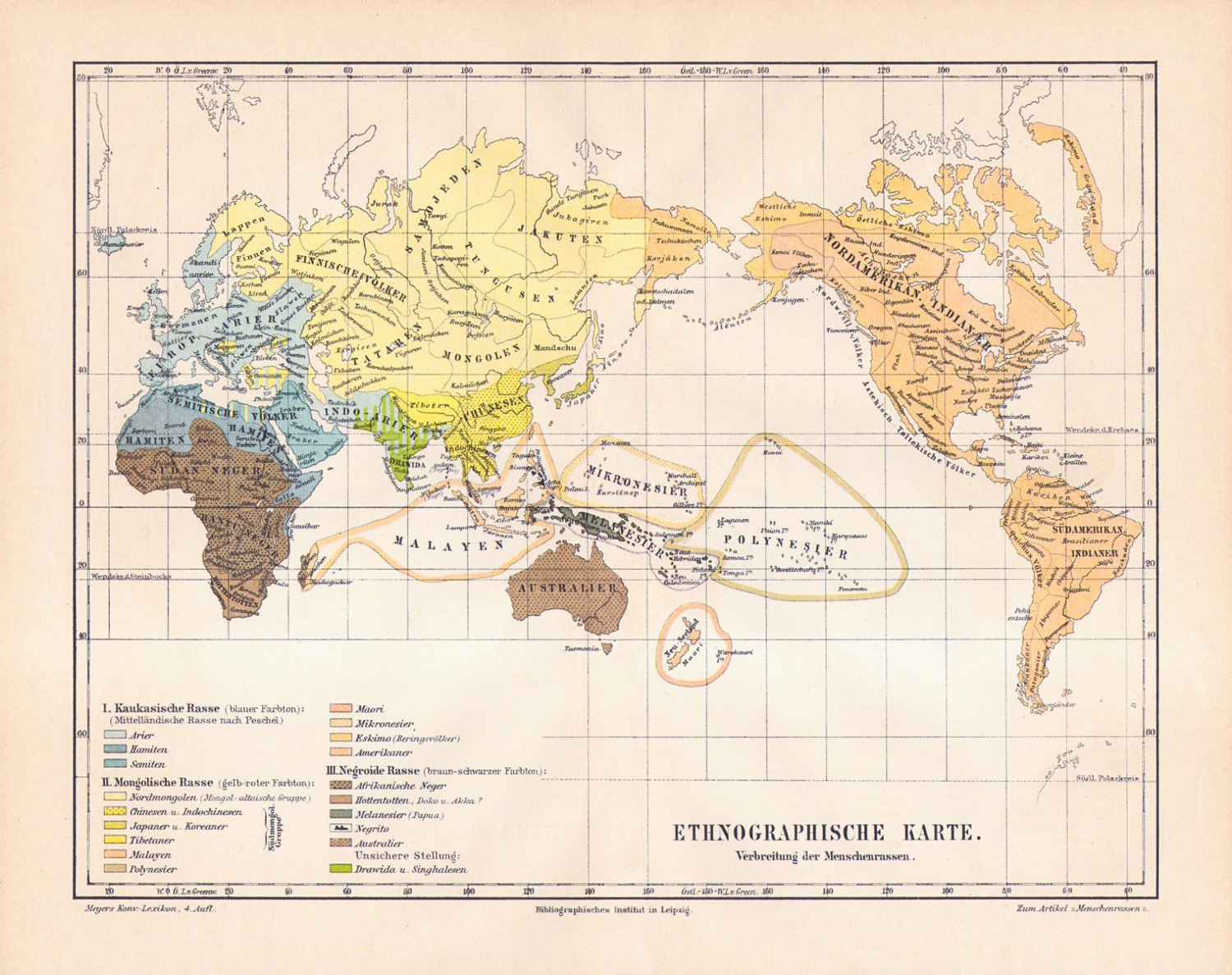
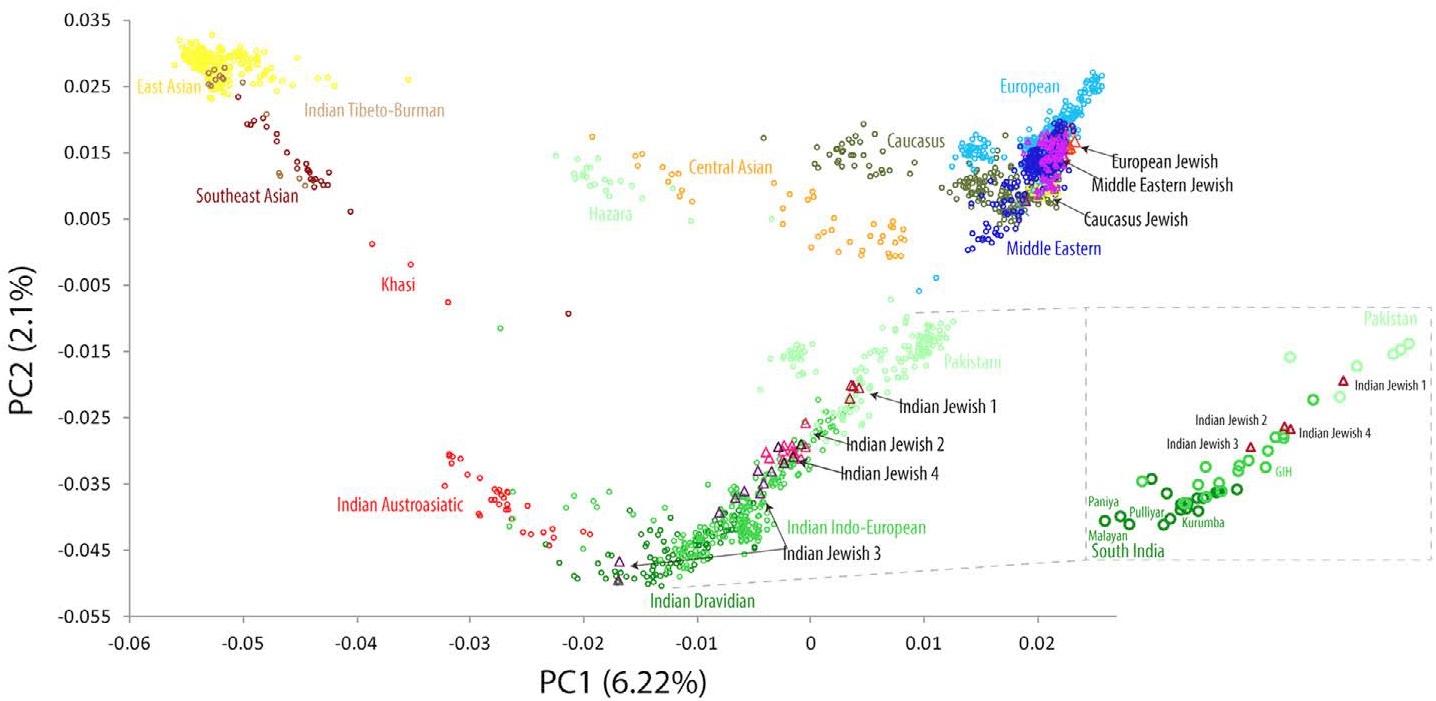
"Race" is not a clearly defined word. "Species" is different. There really is an agreed way to decide whether two animals belong in the same species: can they interbreed? The interbreeding criterion gives the species a unique status in the hierarchy of taxonomic levels... The interbreeding criterion works pretty well, and it delivers an unequivocal verdict on humans and their supposed races. All living human races interbreed with one another. We are all members of the same species, and no reputable biologist would say any different. But let me call your attention to an interesting, perhaps even slightly disturbing, fact. While we happily interbreed with each other, producing a continuous spectrum of inter-races, we are reluctant to give up our divisive racial language. Wouldn't you expect that if all intermediates are on constant display, the urge to classify people as one or the other of two extremes would wither away, smothered by the absurdity of the attempt, which is continually manifested everywhere we look? But this is not what happens, and perhaps that very fact is revealing. People who are universally agreed by all Americans to be "black" may draw less than one eighth of their ancestry from Africa, and often have a light skin colour well within the normal range for people universally agreed to be "white."
Many people - probably more than most of us realise - have both black and white ancestors. If we are going to use colour terminology, many of us are presumably somewhere in between. Yet society insists on calling us one or the other. It is an example of what, in the "Salamander's Tale" chapter of my new book, I have called the "tyranny of the discontinuous mind." Americans are regularly asked to fill in forms in which they have to tick one of five boxes: Caucasian (whatever that means - it certainly doesn't mean from the Caucasus), African-American, Hispanic (whatever that means - it certainly does not mean, as the word seems to suggest, Spanish), Native American or Other. There are no boxes labelled "half and half." But the very idea of ticking boxes in this way is incompatible with the truth, which is that many, if not most, people are a complex mix of the offered categories and others. My inclination is irritably to refuse to tick any boxes, or to add my own box labelled "human."
In the particular case of "African-Americans," there is something culturally equivalent to genetic dominance in our use of language. When Mendel crossed wrinkled peas with smooth peas, all the first generation progeny were smooth. Smooth is "dominant," wrinkled is "recessive." The first generation progeny all had one smooth allele and one wrinkled, yet the peas themselves were indistinguishable from peas with no wrinkled genes. When a white man marries a black woman, the progeny are intermediate in colour and in most other characteristics. This is unlike the situation with peas. But we all know what society will call such children: "black." Blackness is not a true genetic dominant like smoothness in peas. But social perception of blackness behaves like a dominant. It is a cultural or memetic dominant.
Drugi dio koji sam podebljao govori o percepciji rasa. Treci i najbitniji dio govori o socijalnoj percepciji rase.
Stoga je jasno da i on rasu shvata kao drustvenu konstrukciju, samo se ocigledno njegovo shvatenje drustvene konstrukcije razlikuje od shvatanja vecine. Lik zeli biti provokativan, nema problema, ali u sustini nista sto je on napisao nije nesto s cim se ne slazem.
http://homepage.eircom.net/~odyssey/Quo ... _Tale.html