goran16v wrote:Sharif wrote:Woody wrote:
U principu, i po običajima ratovanja, snajperiste je 0,001% moguće uhvatiti žive. I ako ga se kojim slučajem opkoli, likvidira se na licu mjesta, bez suda. To je dozvoljeno u svim vojskama na svijetu. Nema ti neke velike fajde tražiti razmjenu, jer za takve niko nije spreman ponuditi bilo šta.
Pa nije bas da je dozvoljeno, ali se desavalo. Koliko ja znam nema nikakva klauzula u Geneva Convention gdje postoji poseban tretman snajperista vs obicnog vojnika.
Ali, snajperisti koji (radi skrivanja/blend-in) bacaju uniformu i oblace se u civilnu odjecu, u cilju da ubijaju, ili spioniraju, mogu izgubiti pravo na status "POW".
Svaki vojnik zatecen u civilu ili neprijateljskoj uniformi se smatra spijunom, a ne vojnikom i na njega se ne primjenjuju pomenuta konvencija. Nedavno citam knjigu njemackog komandosa Ota Skorcenija u kojoj on u planiranju kontranapada na saveznike negdje u Belgiji, Francuskoj, itekako uzima u obzir tu cinjenicu u odluci da li obuci americku uniformu i sta se desava u slucaju zarobljavanja.
Primjenjuju se konvencije i na civile koji se bore i na vojnike u uniformama.
Vojnik moze koristiti neprijateljsku uniformu za bijeg ili infiltraciju ali se neodgovarajucom primjenom smatra borba u neprijateljevoj uniformi.
Article 4 defines prisoners of war to include:
"# 4.1.1 Members of the armed forces of a Party to the conflict and members of militias of such armed forces
# 4.1.2 Members of other militias and members of other volunteer corps, including those of organized resistance movements, provided that they fulfill all of the following conditions:
* that of being commanded by a person responsible for his subordinates;
* that of having a fixed distinctive sign recognizable at a distance (there are limited exceptions to this among countries who observe the 1977 Protocol I);
* that of carrying arms openly;
4.1.6 Inhabitants of a non-occupied territory, who on the approach of the enemy spontaneously take up arms to resist the invading forces, without having had time to form themselves into regular armed units, provided they carry arms openly and respect the laws and customs of war.
I spijuni su pod zastitom su Zenevskih i Haaskih konvencija. Onakon Ota Skorcenija su konvencije dodatno dopunjavane jer su nacisti masovno krsili Konvencije.
Art. 29. A person can only be considered a spy when, acting clandestinely or on false pretences, he obtains or endeavours to obtain information in the zone of operations of a belligerent, with the intention of communicating it to the hostile party.
Thus, soldiers not wearing a disguise who have penetrated into the zone of operations of the hostile army, for the purpose of obtaining information, are not considered spies. Similarly, the following are not considered spies: Soldiers and civilians, carrying out their mission openly, entrusted with the delivery of despatches intended either for their own army or for the enemy's army. To this class belong likewise persons sent in balloons for the purpose of carrying despatches and, generally, of maintaining communications between the different parts of an army or a territory.
Art. 30. A spy taken in the act shall not be punished without previous trial.

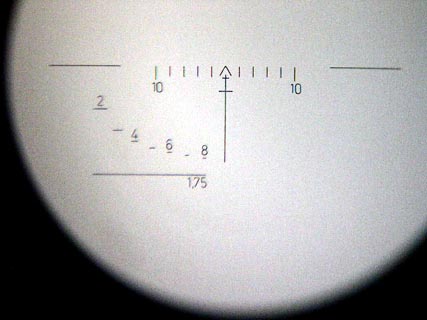 Ako pogledate Zrak optiku, dole desno videcete u ili u donjem levom ugly brojeve i horizontalne linije koji pomazu u odredjivanju daljine. A to se radi tako sto se stopala ljudske figure stave na donju crtu a glava na gornju dok se ne nadje daljina gde vrh i dno figure ne popune gornju i donju crtu. Brojevima uklopljene figure se dodaju dve nule (00) u metrima ,pa je tako recimo broj 4 u stvari 400 metara. Nije istina da se na velikim daljinama vidi lice, ali je moguce videti da li je u pitanju civil,dete ili vojnik. Vecina ljudi sa optikom jeste bila trenirana da puca ali ne i da bude uspesna u odabiru polozaja za dejstvo,odabira cilja, izvlacenja...to je pocelo tek kada smo i mi izvidjaci postali "snajperisti". Tipicne greske i zla upotreba su bile da se dejstvuje sa prozora ili otvora umesto iz dubine prostorije, da se dejstvuje sa istog polizaja i ono najgore- da se dejstvuje po civilima! Ja sam bio pripadnik elitne jedinice JNA, Vj, VS...video sam sve i svasta po bivsoj Jugi,pa tako i oko Sarajeva od proleca 1993. Jeste bilo opicenih ljudi, koji su sejali smrt medju neduzni. ali moje je iskustvo da to nije bilo planski, ali takodje nije iko sprecavao. Ljudi iz moje jedinice, mog okruzenja i one koje sam ja trenirao, za glavni cilj smo imali dejstvo protiv naoruzanih neprijateljskih pripadnika, posebno ratnih bandi tipa juka(take smo i mi imali)Ono sto vecina ljudi nije uzela u obzir jeda su neki snajperisti delovali samostalno i iza linije ili "sa strane ako razumete sta hocu da kazem. Takve ubile civila niko nije voleo niti cenio,ma koliko to vama neverovatno zvucalo. Ako vas jos sta zanima, pitajte. Probacu da odgovorim.

